 Curious & Viral
I Opened My Late-Night Pizza Box and Noticed Strange Bubbles Under the Cheese—What Were They?
After a long day, few things feel better than bringing home a hot pizza and finally sitting down to relax.
That was the plan when I opened my pizza box one evening. The familiar smell of tomato sauce, melted cheese, and herbs filled the kitchen.
But something caught my attention.
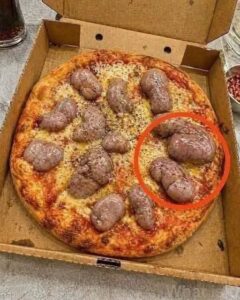
The cheese wasn't completely smooth. Small raised bubbles covered parts of the surface, and a few had turned golden brown.
For a moment, I wondered whether the pizza had been prepared differently than usual. Was this simply part of the baking process, or was there a reason to be concerned?
Before jumping to conclusions, I decided to find out what might cause it.
Why Does Pizza Cheese Form Bubbles?
As it turns out, those raised spots can be a normal result of baking.
Mozzarella contains water, fat, and proteins. When the cheese heats up in the oven, moisture turns into steam. If air and steam become trapped beneath the softened cheese, they can create small pockets that lift the surface.
Food-science research describes these raised areas as cheese blisters, a familiar feature of baked pizza. Their size and color can vary depending on the cheese and the baking conditions.
In other words, a pizza covered in little cheese bubbles may simply have experienced the ordinary effects of heat.
Why Are Some Bubbles Brown?
You may have noticed that certain bubbles look golden or even slightly darker than the surrounding cheese.
That can happen because the raised areas lose moisture more quickly and become exposed to intense oven heat.
The type of mozzarella, its moisture content, and the baking temperature can all influence how much the cheese bubbles and browns.
 Up Next: Page 2 of 2
So a patchy surface doesn't automatically mean something has gone wrong. Different...
Not by themselves.
Continue Reading