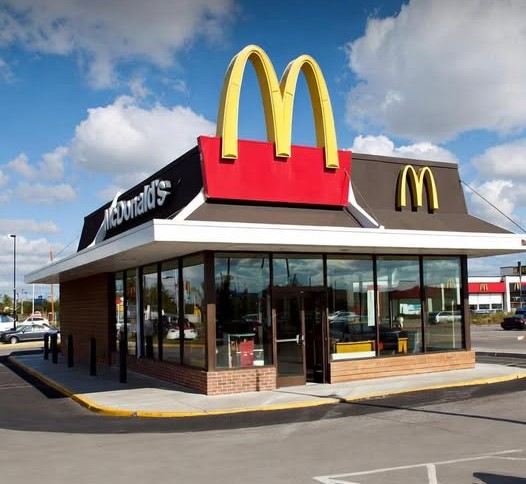
Supporters of the design frame it as radical transparency and modern accessibility. In a world driven by convenience and speed, removing physical barriers is seen as the next logical step in customer experience. It eliminates friction, shortens hesitation, and reinforces the idea of constant availability in a 24-hour culture.
But critics see a different message. To them, the doorless design reflects a broader shift toward environments that never truly shut down. Not just businesses that stay open late, but spaces that erase the concept of “off” altogether. If nothing closes, when does the world rest? If every entrance is always open, what does privacy—or even pause—look like anymore?
What makes the change powerful is not what it adds, but what it removes. A door is a simple object, yet it carries emotional weight. It signals safety, control, and the option to step away. Without it, the experience becomes continuous, uninterrupted, and harder to mentally separate from everything else.
In that sense, the redesign is less about architecture and more about attention. It reflects a broader cultural shift toward immediacy—where access is constant, waiting is minimized, and boundaries slowly fade into the background.
McDonald’s may have removed a piece of physical structure, but the conversation it sparked is much larger. It raises a quiet question about the future of shared spaces: in a world that never seems to close, what are we losing when nothing is allowed to be shut?
If stories like this interest you, stay tuned for more looks at how everyday design choices are reshaping the way we live, move, and think.