But reducing her legacy to her appearance misses an important part of the story. Hardy was present in a demanding motorsports environment and contributed to the team's day-to-day work. Her popularity also illustrates how personality and presentation could help a racing team connect with its audience.
Her fame was closely tied to Liberman, but the enduring interest in her story reflects the distinctive place she carved out in the sport's culture.
The Tragedy That Changed Everything
On September 9, 1977, Liberman died in a road accident involving his 1972 yellow Corvette. He was just days short of his 32nd birthday.
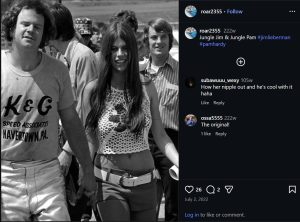
His death devastated people who had followed his career and marked a heartbreaking turning point for Hardy. The man with whom she had shared years of travel, racing events, and public attention was suddenly gone.
Hardy later recalled learning about the tragedy from her mother, who wanted to tell her personally rather than have her discover the news through the media.
After Liberman’s death, Hardy stepped away from her prominent role in drag racing. She had been part of a partnership built around his personality and their shared life on the circuit, and continuing in the same way without him was not something she wished to do.
Even so, she remained connected to his memory and the community that had formed around his racing career.
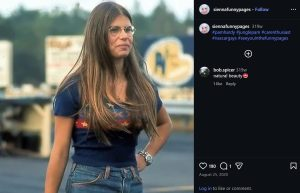
Preserving the Memory of Jungle Jim
For fans, Liberman represented an era when a drag racer could become a larger-than-life personality. Hardy's recollections have helped preserve that image, offering insight into the man beyond his performances at the track.
 Up Next: Page 4 of 5
She has spoken about his showmanship as a genuine part of his...
Through appearances and conversations about their time together, Hardy has continued to help keep that period of drag racing alive for longtime...
Continue Reading