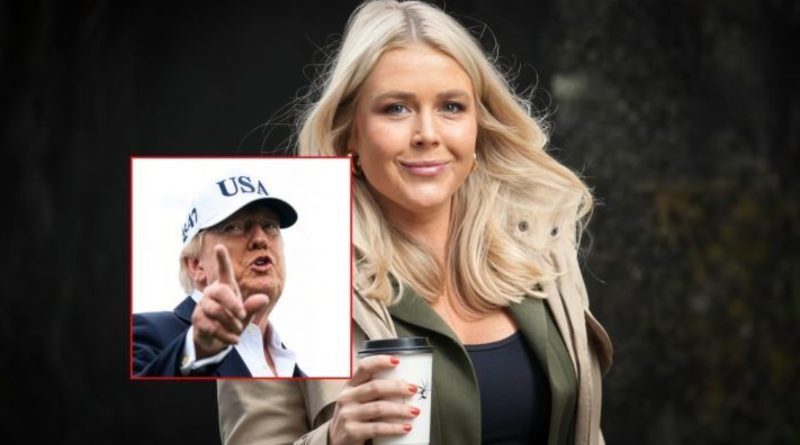
Karoline Leavitt Speaks Out About Trump—Here’s What She Revealed
Former White House press secretary Karoline Leavitt has reignited debate over media bias after claiming that some White House reporters privately apologized to her for asking questions they considered unfair during televised press briefings.
Speaking with Sean Hannity on his podcast, Hang Out with Sean Hannity, Leavitt described what she called the “performative” nature of the briefing room, arguing that some journalists face pressure from editors and media executives to ask confrontational questions on camera.
Her account has added fuel to a longstanding dispute over whether political journalism prioritizes informing the public or generating dramatic exchanges that attract attention.
But her remarks also raise an important question: How much can claims about private conversations tell the public about the fairness of news coverage as a whole?
What Leavitt Says Happens Behind the Scenes
Leavitt told Hannity that reporters had occasionally approached her after briefings to explain why they had asked particular questions.
She quoted one unnamed journalist as saying, “I'm sorry, I had to ask that today. My bosses really wanted me to ask that.”
According to Leavitt, some reporters acknowledged that they considered their questions unfair but felt constrained by the expectations of their employers. She argued that editors and executives can influence what correspondents ask and how stories are framed.
Leavitt did not identify the reporters she was describing, and the accounts of those private conversations have not been independently corroborated in the reporting reviewed.
That distinction matters. Her comments provide insight into her experience as press secretary, but they do not establish how widespread the alleged practice is or whether particular news organizations deliberately direct their reporters to mislead the public.
Leavitt also acknowledged that the performative nature of briefings can involve both sides, including journalists and government officials.
 Up Next: Page 2 of 4
The Incentives Behind Political Coverage
The White House briefing room is one of the most visible stages of American political journalism. Reporters question administration officials about policy...
Continue Reading