In some cases, acne-like symptoms can be associated with an underlying health condition. That is one reason a professional assessment can be valuable, especially when breakouts appear suddenly, become severe, or occur alongside other unusual symptoms.
How a Dermatologist Can Help
A dermatologist can assess the type and severity of acne, review possible triggers, and recommend a treatment plan suited to the individual. Depending on the situation, options may include prescription topical medications, oral treatments, or other procedures designed to reduce inflammation and prevent new lesions.
Treatment often takes time, and results vary from person to person. A dermatologist can also explain how to care for sensitive or acne-prone skin while reducing the likelihood of irritation and scarring. Starting appropriate treatment early may help protect long-term skin health.
Skin Health Is About More Than Appearance
Persistent acne can affect confidence, social interactions, and emotional well-being. Feeling frustrated by recurring breakouts is understandable, but it does not mean someone has failed at skincare. Severe acne is a medical concern, not a personal shortcoming.
If deep, painful breakouts keep returning or leave marks, consider arranging an appointment with a qualified dermatologist. Have you found a skincare approach that helped you manage stubborn acne? Share your experience in the comments—your insight may encourage someone else to seek the support they need.
 Read Next Story →
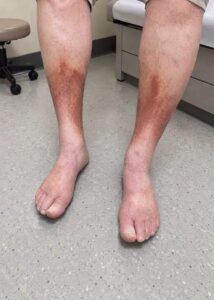
Swollen Feet Can Be Harmless—or a Sign to Pay Attention
More Stories You May Like
See More →


Ellis did the general assignment grind at a small daily for a decade, which means he can cover a hailstorm, a weird animal sighting, and a relationship trend in the same afternoon and make all three worth reading. He likes stories with a person in them, not just facts.
More from Ellis →