The Green Substance Inside Lobster: What Is Tomalley, and Is It Safe to Eat?
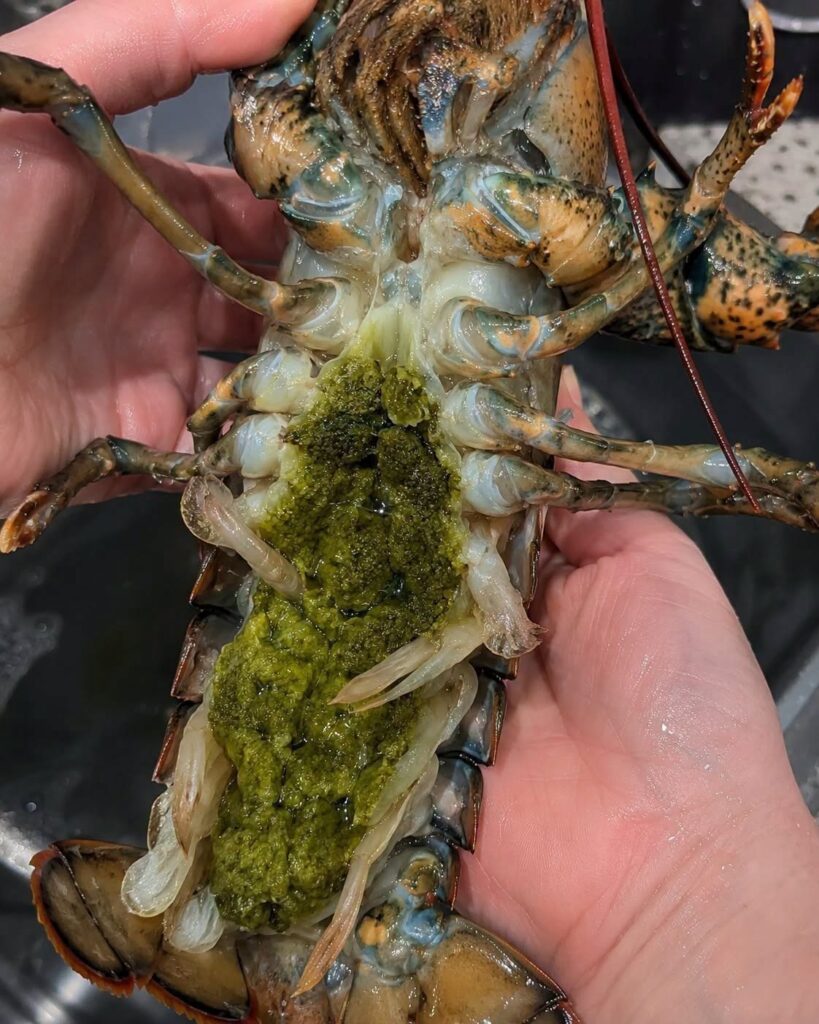
The first time you open a cooked lobster and notice a green substance inside, you may wonder what it is and whether it is safe to eat. This substance is called tomalley, and it is a natural part of a lobster’s digestive system. Although some seafood lovers consider it a delicacy, there are important food safety considerations to understand before trying it.
What Is the Green Substance Inside a Lobster?
Tomalley is a digestive organ that performs functions similar to those of the liver and pancreas in other animals. It helps produce digestive enzymes, absorb nutrients, and store energy. Its color can range from green to greenish-brown, depending on the lobster and its contents.
Tomalley is different from the lobster’s meat and roe. While the meat is commonly eaten, tomalley has a softer, creamy consistency and a more concentrated flavor. Its appearance may be unfamiliar to some diners, but its presence is a normal part of lobster anatomy.
Why Do Some People Eat Lobster Tomalley?
In some seafood traditions, tomalley is valued for its rich texture and distinctive ocean flavor. People who enjoy it may spread a small amount on toast, incorporate it into seafood sauces, or mix it into dishes to add depth.
Others prefer to remove it because of its strong taste or unusual texture. Both preferences are common, and eating tomalley is not necessary to enjoy lobster.
Its popularity as a culinary ingredient, however, does not automatically mean it is safe to consume in every circumstance.
Is Lobster Tomalley Safe to Eat?
Food safety is the main reason for caution. Tomalley can accumulate environmental contaminants, including certain heavy metals and other harmful substances. It may also contain marine biotoxins associated with harmful algal blooms.
The level of risk can vary depending on where the lobster was harvested and the environmental conditions in those waters. Cooking does not reliably eliminate every type of marine biotoxin, so preparing the lobster thoroughly does not guarantee that its tomalley is safe.
 Up Next: Page 2 of 2
For this reason, seafood safety authorities have issued warnings about consuming lobster...
If you enjoy lobster, a few practical precautions can help you make a more informed decision:
Continue Reading