Breast size also does not reliably predict how much milk a person will produce during breastfeeding. Milk production depends on several factors, including glandular tissue and the effectiveness and frequency of milk removal.
Individual circumstances differ, so personal health concerns are best discussed with a qualified healthcare professional rather than judged by appearance.
Why Breast Size Can Change Over Time
Changes in breast size and shape may occur naturally throughout life. Hormonal fluctuations, weight changes, pregnancy, breastfeeding, and aging can all influence breast tissue.
Some people also notice temporary changes in tenderness or fullness during their menstrual cycle.
However, a new lump, persistent localized pain, unusual nipple discharge, skin changes, or a sudden unexplained change in one breast should be assessed by a healthcare professional. These symptoms do not necessarily indicate a serious condition, but they should not be ignored.
Building a Healthier Understanding of Body Differences
People naturally have different body shapes and proportions. Comparing those differences against unrealistic expectations can create unnecessary concern about normal physical variation.
Reliable health information can help separate common myths from evidence-based guidance. It is also important to remember that appearance does not define a person's worth or determine how they should be treated.
The Takeaway
Breast size can provide limited information about physical characteristics, but it cannot reveal a person's personality, intelligence, fertility, or overall health on its own.
Understanding the factors that influence breast development can help people approach body differences with greater confidence and less reliance on stereotypes. When a specific health concern arises, individualized medical advice is more useful than assumptions based on appearance.
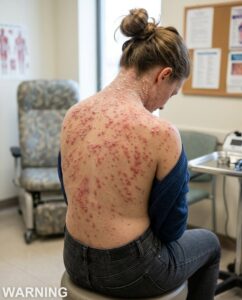 Read Next Story →
The Hidden Virus That Can Wake Up in Your Body Years Later
More Stories You May Like
See More →
Ellis did the general assignment grind at a small daily for a decade, which means he can cover a hailstorm, a weird animal sighting, and a relationship trend in the same afternoon and make all three worth reading. He likes stories with a person in them, not just facts.
More from Ellis →