3. Why English Cucumbers Are Packaged Differently
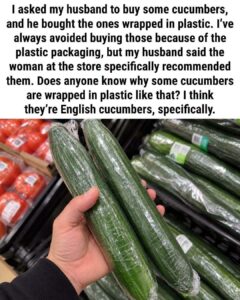
English cucumbers, sometimes called seedless or hothouse cucumbers, are generally longer and have thinner skin than many traditional slicing varieties. They also tend to have smaller, less noticeable seeds and a mild flavor.
Because of these characteristics, packaging methods may differ from those used for other cucumbers. Wrapping can help maintain moisture and protect the surface while the product moves from growers to distribution centers and supermarkets.
However, not every English cucumber is packaged in plastic. Practices vary by producer, retailer, growing method, and market. Some stores may offer alternatives with different packaging materials or sell cucumbers without individual wrappers.
4. Does Plastic Packaging Create Environmental Concerns?
Although plastic can help protect produce, it also creates environmental challenges. Single-use packaging requires materials and energy to manufacture, and it can contribute to waste when it is not reused or properly managed.
At the same time, food production also uses resources, so preventing food from spoiling can have environmental benefits. The overall impact depends on several factors, including the type and amount of plastic used, transportation and storage conditions, local waste-management systems, and how much spoilage the packaging prevents.
There is no single answer that applies to every product or supply chain. Better packaging choices involve balancing food preservation with the environmental cost of the materials used.
Consumers can help reduce waste by buying only the quantity they expect to use, storing produce appropriately, and following local guidance for disposing of or recycling packaging.
 Up Next: Page 3 of 3
5. How Should You Wash an English Cucumber?
Before eating or cutting an English cucumber, remove the plastic wrapper and discard it appropriately. Rinse the cucumber under cool, running water,...
Continue Reading