7. Honest Communication Matters More Than Blame
When a marriage becomes strained, it can be tempting to search for a single person or problem to blame. Yet relationships are rarely that simple.
A more constructive approach is to identify what is happening, discuss concerns directly, and consider what changes are realistically possible. Partners can ask themselves whether they feel heard, whether responsibilities are shared fairly, and whether they can discuss difficult topics without fear or humiliation.
These conversations do not guarantee that a marriage will survive every challenge. They can, however, help people make informed decisions about their relationships.
If a relationship involves intimidation, coercion, or abuse, personal safety should take priority over attempts to restore intimacy. Seeking appropriate professional support may be an important step.
The Real Lesson: A Marriage Cannot Be Reduced to a Stereotype
The idea that a husband cheats because his wife does not provide something he wants may attract attention, but it leaves out important parts of the story. Infidelity can involve personal decisions, relationship difficulties, individual circumstances, and broken agreements. No single explanation applies to every couple.
Strong marriages are not free from disappointment or conflict. They depend on how partners respond to challenges, communicate their needs, respect boundaries, and take responsibility for their actions.
Instead of asking what one spouse failed to do, a more useful question is whether both people are willing and able to build a relationship based on honesty, respect, and mutual care.
And when that willingness is absent, recognizing the problem clearly can be the first step toward making healthier decisions about the future.
 Read Next Story →
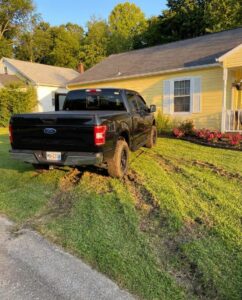
My Neighbors Thought They Could Park on My Property — Until They Discovered the Secret Behind My 50-Year-Old Home
More Stories You May Like
See More →


Ellis did the general assignment grind at a small daily for a decade, which means he can cover a hailstorm, a weird animal sighting, and a relationship trend in the same afternoon and make all three worth reading. He likes stories with a person in them, not just facts.
More from Ellis →