This position may feel reassuring simply because it is familiar and comfortable.
Keeping the knees slightly bent can also help some people find a comfortable sleeping posture, particularly when they use a supportive pillow between their legs.
However, curling up too tightly may leave some people feeling stiff when they wake up. Keeping the body in a relaxed position, rather than pulling the knees firmly toward the chest, may help improve comfort.
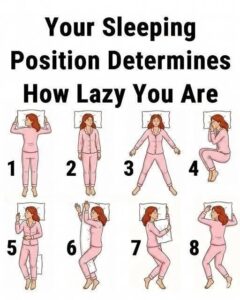
There is no strong scientific basis for assuming that people who sleep in the fetal position are necessarily more sensitive, anxious, or reserved. Such descriptions may be entertaining, but they shouldn't be mistaken for established psychological findings.
Your sleeping posture is not a personality test.
5. Does Your Sleeping Position Change With Age?
It can.
Sleeping habits may change as people grow older, experience changes in mobility, or develop conditions that affect comfort during the night.
For instance, someone who once slept comfortably on their stomach may begin preferring a side position after experiencing recurring neck discomfort.
Changes in mattress preferences, physical activity, medication, and sleep quality can also influence how someone sleeps.
Pregnancy, temporary injuries, and certain medical conditions may lead people to experiment with different positions as well.
These changes aren't necessarily a cause for concern. In many cases, they simply reflect changing comfort needs.
However, if you notice a sudden, persistent change in your sleep accompanied by pain, breathing difficulties, or other concerning symptoms, consider seeking medical advice.
6. Can Your Sleeping Position Affect Sleep Quality?
Yes, sleeping position can influence comfort and breathing for some people, but it is only one part of healthy sleep.
Your bedroom environment, regular sleep schedule, stress levels, mattress, pillow, and daily habits can all contribute to how rested you feel.
 Up Next: Page 5 of 5
For example, someone may sleep in an otherwise comfortable position but still...
Likewise, repeated snoring, gasping during sleep, morning headaches, or persistent daytime sleepiness may indicate an underlying sleep problem that deserves professional attention.
Continue Reading