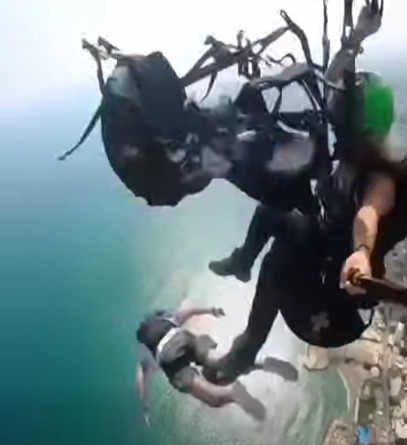
A recreational skydiver in Arizona is recovering after experiencing a sudden, unexpected fall when his parachute malfunctioned during a routine jump on Saturday. Thanks to proper training and fast emergency action, he survived the incident and is now encouraging others to take skydiving safety seriously.
A Normal Jump Takes an Unexpected Turn
The jumper, 32-year-old Daniel Kerr, had completed over 50 successful jumps before the incident. Conditions were clear, with instructors reporting ideal weather for afternoon skydiving sessions.
Daniel’s freefall began smoothly, and he deployed his main parachute at the usual altitude. But only moments later, he noticed the canopy didn’t fully inflate. That partial collapse caused him to descend faster than normal, signaling a malfunction.
A Calm Response in a High-Stress Moment
Rather than panic, Daniel followed the safety training required of all licensed skydivers. He attempted to correct the lines but quickly realized the main canopy wouldn’t stabilize.
At that point, he initiated the backup procedure: cutting away the malfunctioning parachute and deploying his reserve chute. The reserve opened properly, slowing his descent and allowing him to regain control before reaching the ground.
Immediate Help on the Ground
Trained staff at the skydiving center were already monitoring the jump from below. They rushed to assist him the moment he landed. Daniel remained awake and responsive, and he was transported for medical evaluation as a precaution.
Doctors later confirmed he sustained no life-threatening injuries and is expected to make a full recovery.
Facility and Experts Stress Importance of Training
The skydiving center released a statement emphasizing that reserve parachutes undergo strict inspections and are packed by certified professionals. They also noted that Daniel’s quick response is the reason he walked away from the incident.
A skydiving safety expert commented that while parachute malfunctions are rare, the sport requires constant awareness and respect for emergency procedures.
Daniel’s Message: “Training Saved Me”
Speaking from home, Daniel expressed deep gratitude for the instructors who prepared him for emergency scenarios.
“When it happened, I didn’t have time to think—I just did what I was trained to do,” he said. “That training saved me. Anyone who wants to skydive should make safety their top priority.”
He plans to return to the sport after recovering but says he’ll be even more focused on preparation, equipment checks, and continued training.