Public reaction has been sharply divided. Some observers have criticized the use of lethal force, while others argue that the ICE agent acted within legal boundaries based on the circumstances of the encounter. The case has renewed broader discussions about policing standards, federal authority, and the balance between officer safety and civilian protection.
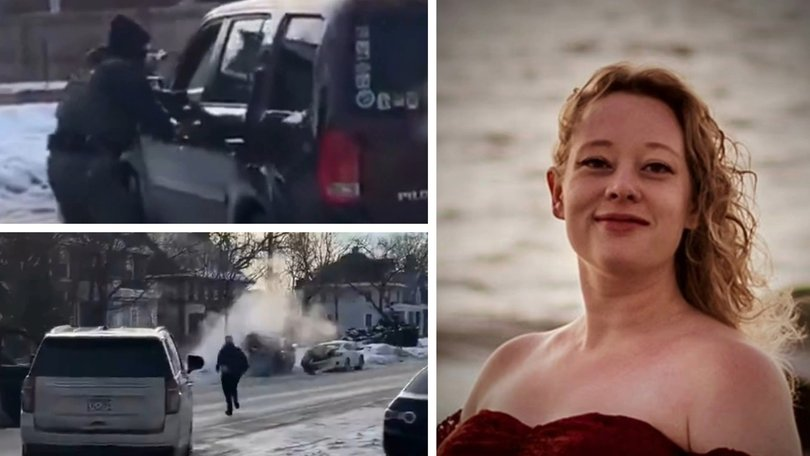
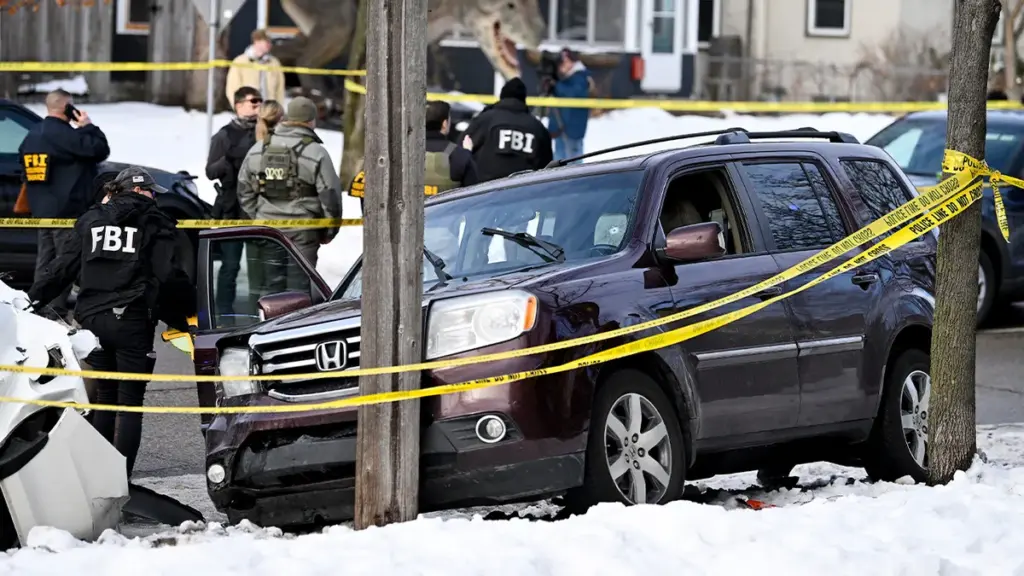
According to initial reports, Good’s vehicle was stopped in the middle of a Minneapolis street, drawing the attention of law enforcement. ICE agents approached the vehicle, and video footage later circulated showing an officer attempting to open the driver’s door. Authorities state that Good attempted to drive away while officers were positioned close to the vehicle, a movement they interpreted as a potential threat. Shortly afterward, an ICE agent fired his weapon, resulting in her death.

Federal officials have stated that the officer acted in response to a perceived danger. The Department of Homeland Security described the situation as a lawful enforcement action and indicated that the officer’s response aligned with current use-of-force standards.
Former President Donald Trump commented publicly on the incident, stating that the officer appeared to act in self-defense based on the video footage. His remarks emphasized support for law enforcement and framed the encounter as an example of the risks officers face during enforcement operations.
At the same time, some officials and commentators have expressed concern over whether the outcome could have been avoided. DHS Secretary Kristi Noem described the incident as legally justified but tragic, suggesting that it raised important questions about de-escalation and the use of force in high-pressure situations.
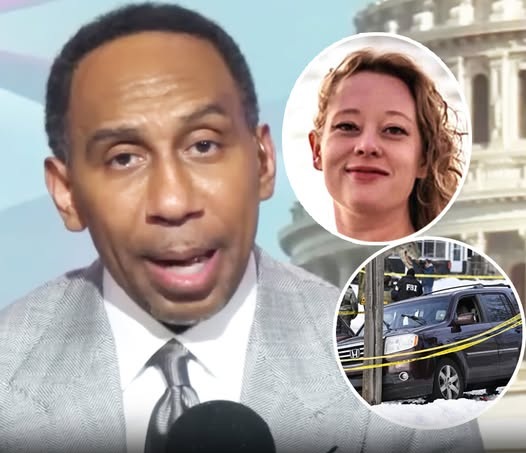
ESPN analyst and media personality Stephen A. Smith addressed the incident in a video posted to his YouTube channel, offering a legal analysis while also questioning the necessity of lethal force. Smith stated that, from a legal standpoint, the ICE agent was unlikely to face prosecution, given that officers are permitted under U.S. law to use deadly force when they reasonably believe there is an imminent threat to their safety or the safety of others.
However, Smith also emphasized the ethical dimensions of the case. He questioned whether alternative actions—such as disengagement or vehicle immobilization—might have reduced the risk of death. Smith’s commentary highlighted the distinction between what is legally permissible and what may be considered ethically preferable in law enforcement encounters.

Legal experts note that federal officers are granted broad discretion in rapidly evolving situations. Courts have consistently ruled that deadly force may be justified if an officer reasonably perceives a threat of serious harm. In cases involving vehicles, law enforcement agencies often consider attempts to drive away while officers are nearby as potentially dangerous.
At the same time, scholars and civil rights advocates argue that legal justification does not end the conversation. They emphasize the importance of reviewing training practices, de-escalation techniques, and accountability mechanisms to reduce the likelihood of fatal outcomes.
Civil liberties organizations, including the American Civil Liberties Union, have called for a thorough and independent review of the incident. In public statements, advocacy groups stressed that lawful use of force should still be examined to determine whether policy changes or improved oversight could prevent similar incidents in the future.
Community reaction in Minneapolis has reflected the national divide. Some residents have expressed grief and concern over the loss of life, while others have focused on the challenges faced by federal agents during enforcement actions. Local leaders have called for transparency and dialogue to address public concerns and rebuild trust.
The case has also drawn attention to broader issues surrounding federal law enforcement operations in local communities. Questions about the role of ICE, the standards governing use of force, and the relationship between federal agencies and civilians continue to generate debate across political and social lines.
While legal analysts widely expect that the ICE agent involved will not face criminal charges, the incident’s impact extends beyond any potential legal outcome. It has become a focal point for discussions about public safety, accountability, and the ethical responsibilities of law enforcement officials.
Ultimately, the death of Renee Nicole Good underscores the complexity of modern policing. Even when actions may fall within legal boundaries, they can raise difficult moral and policy questions. As public discussion continues, the case highlights the ongoing challenge of balancing officer safety, effective law enforcement, and the protection of civilian lives.