George W. Bush (2001–2009)
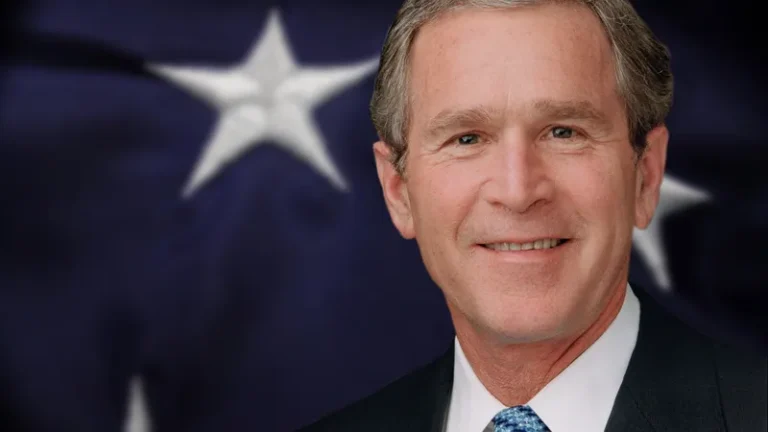
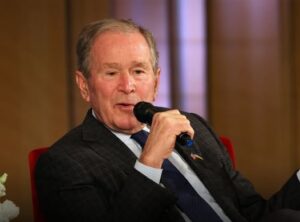
George W. Bush’s presidency was shaped by the September 11, 2001 terrorist attacks and the subsequent War on Terror. His administration launched military campaigns in Afghanistan and Iraq.
The 2003 invasion of Iraq, based on intelligence that later proved inaccurate, remains one of the most debated decisions of the era. Domestically, Bush faced criticism over the federal response to Hurricane Katrina and the 2008 financial crisis. While supporters emphasize his leadership after 9/11, historians continue to debate the long-term consequences of his policies.
Lyndon B. Johnson (1963–1969)
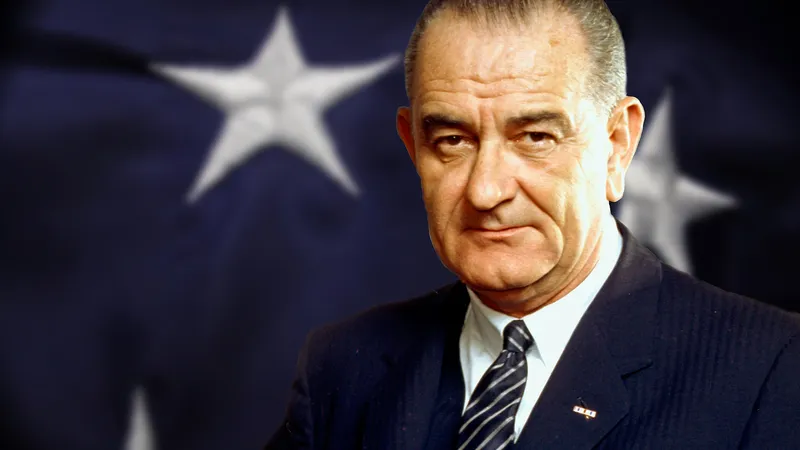
Lyndon B. Johnson is remembered for significant domestic achievements, including major civil rights legislation and social programs under the “Great Society.”
However, his presidency is also closely associated with the escalation of the Vietnam War. The growing conflict led to widespread protests and declining public trust. While his domestic record is often praised, historians note that Vietnam had a lasting impact on his overall legacy.
Jimmy Carter (1977–1981)
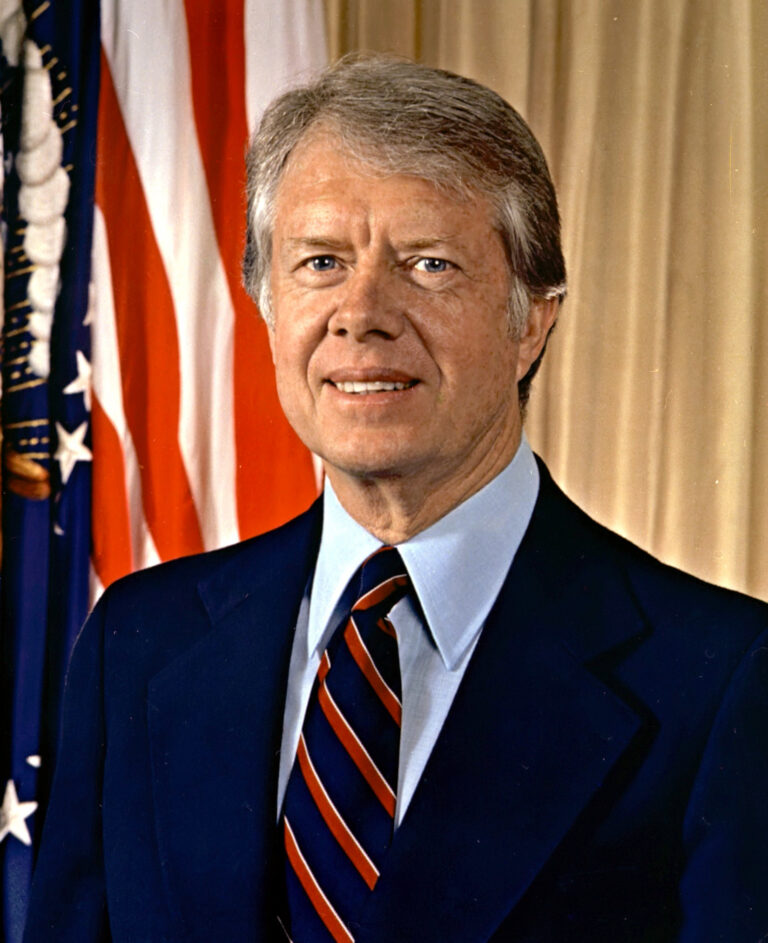
Jimmy Carter entered office emphasizing ethical leadership and human rights. His administration helped broker the Camp David Accords, a landmark peace agreement between Egypt and Israel.
Despite this success, Carter faced economic challenges including high inflation, unemployment, and an energy crisis. The Iran hostage crisis further strained public confidence. While Carter is widely respected for his post-presidency work, historians often view his time in office as marked by limited effectiveness in managing economic and foreign policy challenges.
Barack Obama (2009–2017)
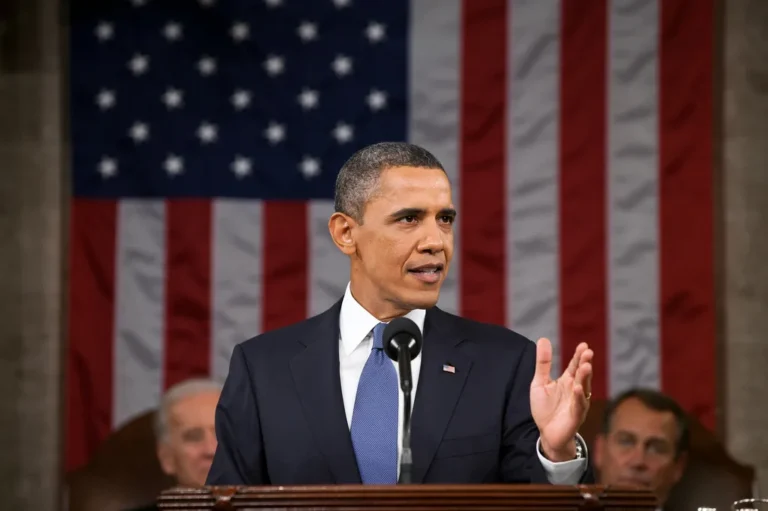
Barack Obama took office during a major financial crisis. His administration prioritized economic recovery and enacted the Affordable Care Act, which expanded healthcare coverage to millions of Americans.
 Up Next: Page 4 of 4
Supporters credit his leadership with stabilizing the economy and advancing healthcare reform....
Beyond his resignation, Nixon’s presidency had lasting effects on American politics. The Watergate scandal led to reforms aimed at increasing transparency, strengthening...
Continue Reading