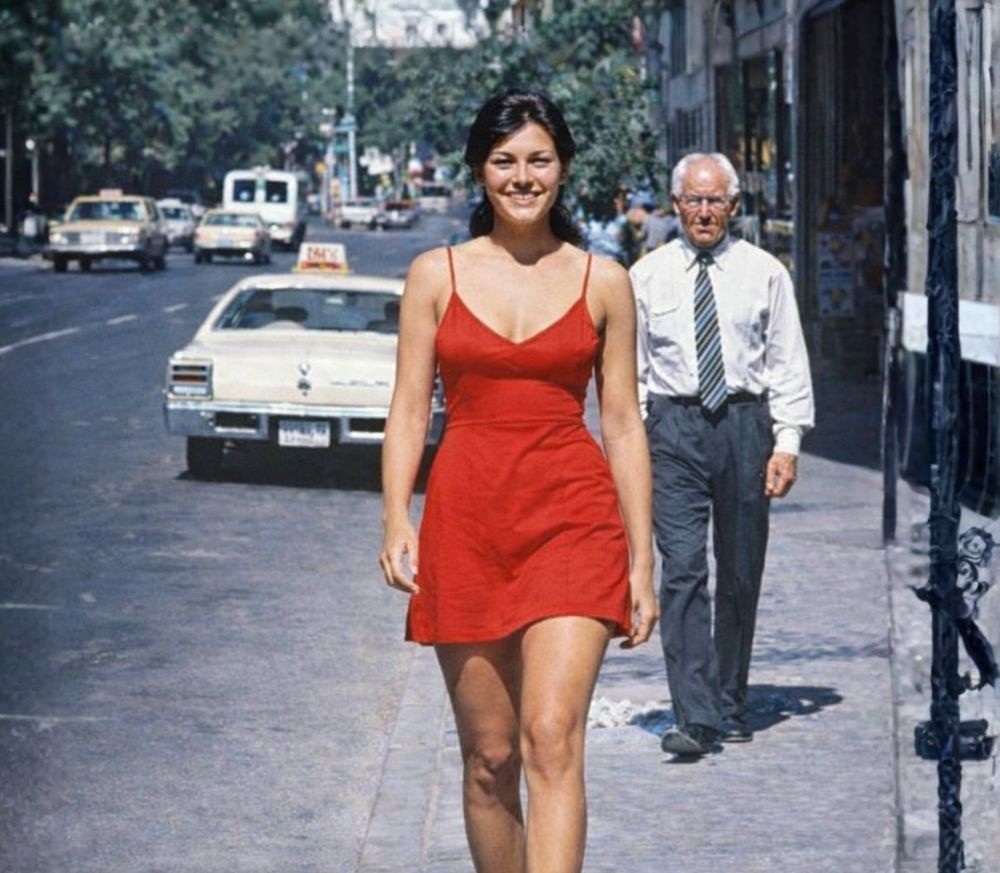
This form of “incidental movement” helped people stay active without the need for structured exercise plans. Physical activity was not scheduled or measured; it simply happened as part of normal responsibilities and social interaction.
Eating habits during this period were also influenced by limited convenience options. Most meals were prepared at home using basic ingredients, and portion sizes tended to reflect practical cooking norms rather than marketing trends. Snacking was less frequent, in part because food was not as widely available in public spaces, and eating generally followed predictable meal times. These patterns supported consistency in daily routines without requiring strict monitoring or specialized diets.
The absence of constant digital stimulation also played a role in shaping daily behavior. Without smartphones, streaming platforms, or continuous online engagement, leisure time often involved hands-on activities, outdoor time, or face-to-face socializing. Television programming was limited, and when it ended, people naturally turned to other forms of engagement. This encouraged movement and reduced prolonged periods of sitting.
Daily stress, while certainly present, was often managed through physical tasks, shared experiences, or rest aligned with natural schedules. Evening routines tended to support more regular sleep patterns, as fewer artificial distractions competed for attention late into the night.
Looking back, the lifestyle patterns of the 1970s suggest that physical balance often emerges from supportive environments rather than constant effort. Modern health challenges are increasingly understood as responses to surrounding conditions, not simply individual choices. This perspective allows for more thoughtful and compassionate approaches to well-being.
By making small adjustments—such as choosing to walk short distances, preparing meals with whole ingredients when possible, and creating boundaries around screen use—people today can incorporate elements of that earlier balance into contemporary life. Rather than trying to replicate the past, these changes focus on reshaping daily environments in ways that support long-term health and sustainability.