 Celebrity
 The Childhood Struggles That Helped Create a Hollywood Icon
Long before the world embraced Judy Garland as a timeless icon of music and film, she was a child carrying responsibilities far beyond her age. Fame arrived early—and with it came expectations that left little room for innocence. While audiences saw radiant talent and effortless charm, few recognized the emotional weight she carried behind the scenes. Her childhood offers a powerful example of how early stardom can quietly reshape a life.
Born in Minnesota to vaudeville performers, Garland was placed on stage almost as soon as she could stand. Constant travel, unstable routines, and mounting pressure defined her early years. Performing was no longer a choice—it was a requirement. As her talent drew attention, the adults around her tightly managed her time, behavior, and appearance. In later reflections, Garland admitted that applause became the only place she felt truly valued, a realization that followed her well into adulthood.
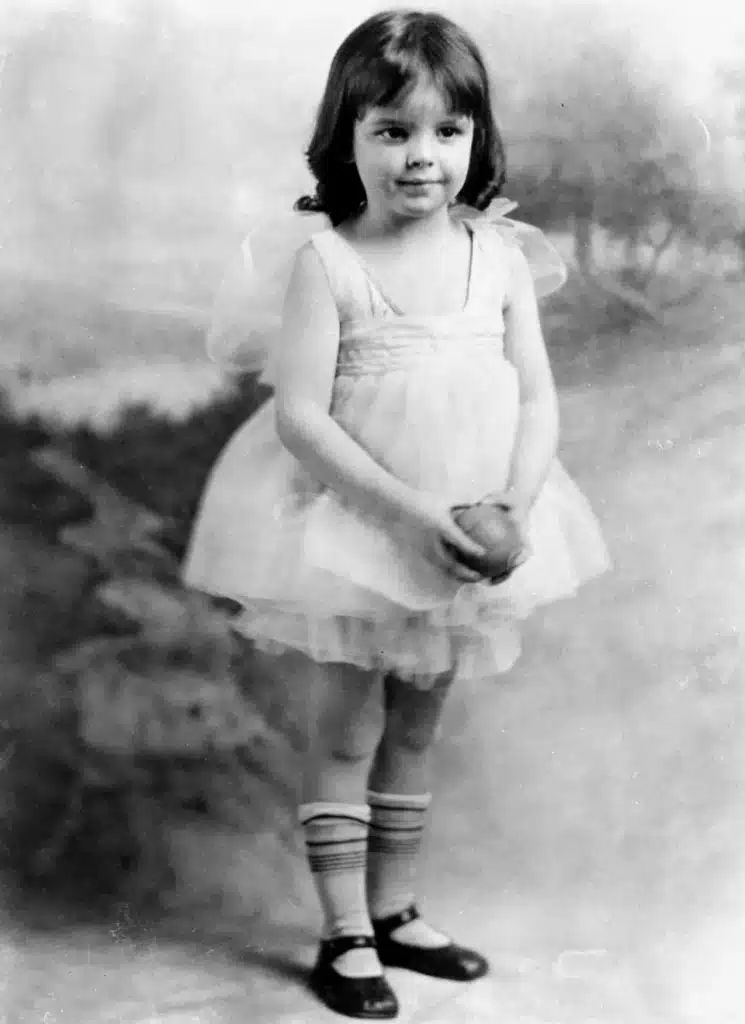
Her contract with MGM in the 1930s accelerated her rise to fame—but also intensified control over her life. Studio executives dictated strict schedules and rigid expectations, leaving little space for rest or self-discovery. Even as she delivered legendary performances, including her unforgettable role in The Wizard of Oz, she privately battled exhaustion and self-doubt. The contrast between her joyful on-screen image and her off-screen struggles became a defining tension of her life.
 Up Next: Page 2 of 2
Despite these challenges, Judy Garland’s resilience and talent left an enduring mark...
What are your thoughts on child stardom and its long-term impact? Share your perspective in the comments below.
Continue Reading