That kind of contribution can be easy to overlook when Hollywood conversations focus primarily on leading stars.
But remove those supporting performers from classic films, and many of those worlds would feel noticeably different.
A Legacy That Keeps Finding New Viewers
One of the greatest advantages of classic movies is that they never truly disappear.
A film released decades ago can reach someone watching it for the first time today.
A brief performance can suddenly become a favorite.
And an actor whose name wasn't familiar to younger viewers can become someone they actively search for after the credits roll.
That's the quiet power of a long career.
Matt Clark's work continues to live through the movies themselves.
Every time audiences revisit a classic Western, return to Back to the Future Part III, or discover one of his other performances, another opportunity exists to appreciate the actor behind the character.
Remembering the Performers Behind the Stars
Hollywood history isn't made only by leading actors.
It's also built by the character performers who fill the streets, saloons, offices, ranches, and towns that make fictional stories feel authentic.
They may not receive the biggest billing.
They may not dominate magazine covers.
But their work can become part of the visual language of an entire generation of movies.
Matt Clark's career is a reminder of that.
A great character actor doesn't need to dominate the screen to leave an impression.
Sometimes, the most enduring performances come from the people who quietly make everyone around them more believable.
And that's a legacy worth remembering.
 Read Next Story →
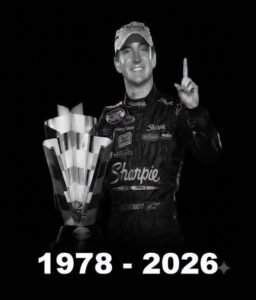
Fans Are Mourning the Loss of NASCAR Champion Kurt Busch at 47? The Truth Behind the Shocking Claim
More Stories You May Like
See More →


Marisol spent six years chasing red carpets for a midsize entertainment paper and got tired of the same five questions, so now she writes about what fame does to people when the lights are off. She has a soft spot for the kids of famous parents and the older stars doing quiet, interesting work.
More from Marisol →