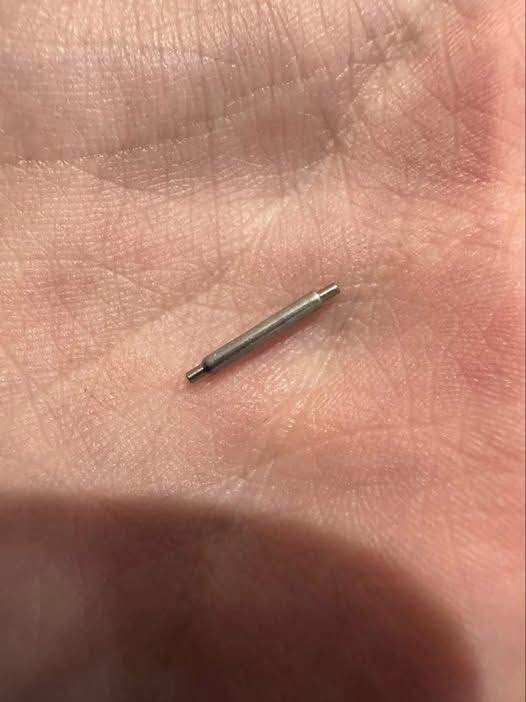
Historically, small metal components have driven major leaps in technology. From the gears and pins of the industrial revolution to modern micro-parts inside electronics, these pieces have always been the hidden heroes of progress. So when you find one without context, it feels like discovering a fragment of something bigger—an echo of innovation, a whisper of engineering brilliance.
Why We Struggle to Identify Them
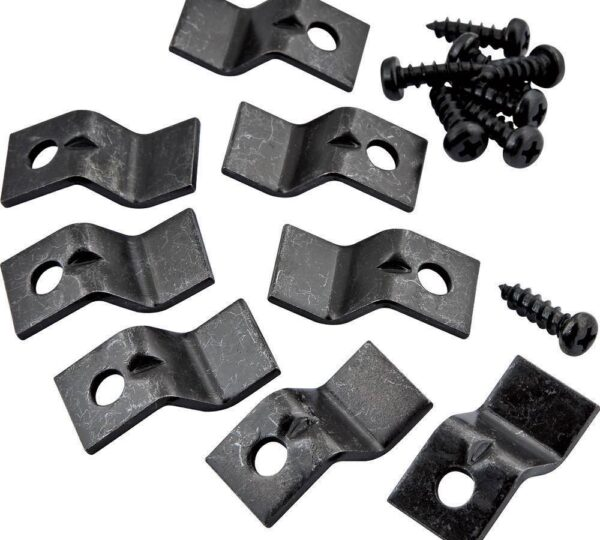
Modern engineering hides complexity behind the simplest designs. A plain metal part may look ordinary, but it could be crucial to a machine, tool, or device far more advanced than it appears.
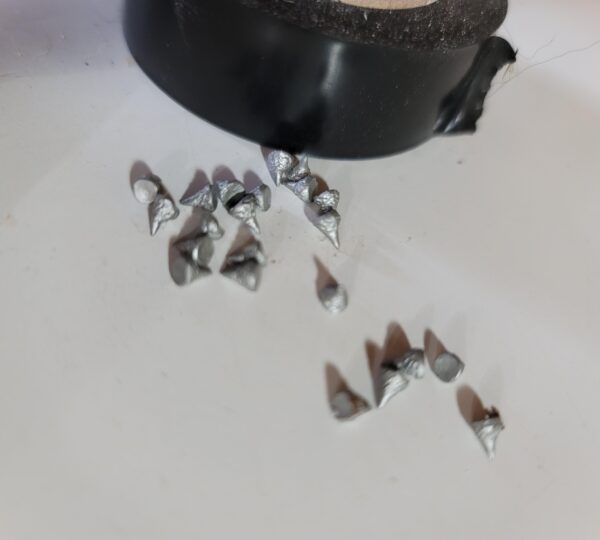
A tiny piece like this could be:
- A retainer clip inside a smartphone
- A spring-activated pin in an engine
- A precision fastener in a camera lens
- A grounding tab for electronics
- A stabilizer inside medical equipment
- A micro-screw in a luxury watch
- A clip or cotter pin used in bicycles or motorcycles
Unless you work with these systems, identifying the purpose is nearly impossible. That uncertainty fuels the fascination. Our brains instantly start categorizing: Is this from a lock? A gadget? A bike? A vintage tool?
It becomes a mental puzzle that feels exciting instead of frustrating.
Entire online communities now exist solely to figure out what these little pieces are. People share photos, debate possibilities, and solve mysteries together. Each object becomes its own mini investigation.
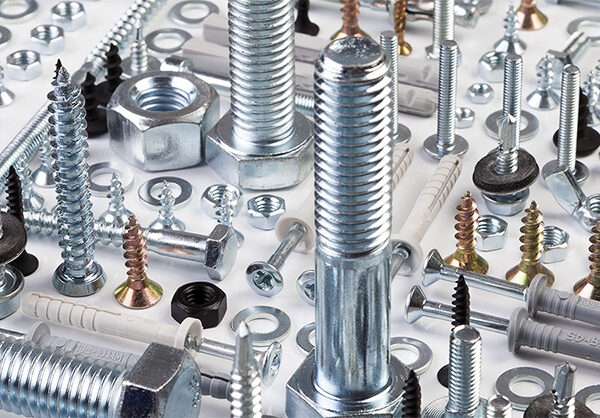
The Quiet Genius Behind Miniature Engineering
Despite their size, tiny metal components often carry enormous responsibility. One small screw can maintain the integrity of a laptop hinge. One clip can prevent an electrical disaster. One pin in a watch can keep perfect time.
In high-stakes fields—like aerospace, medicine, and industrial machinery—these components must survive extreme pressure, vibration, and wear. Precision matters down to the micron.
What looks like a meaningless scrap is often the result of:
- Advanced material testing
- Careful shaping and machining
- Rigorous safety standards
- Countless prototype stages
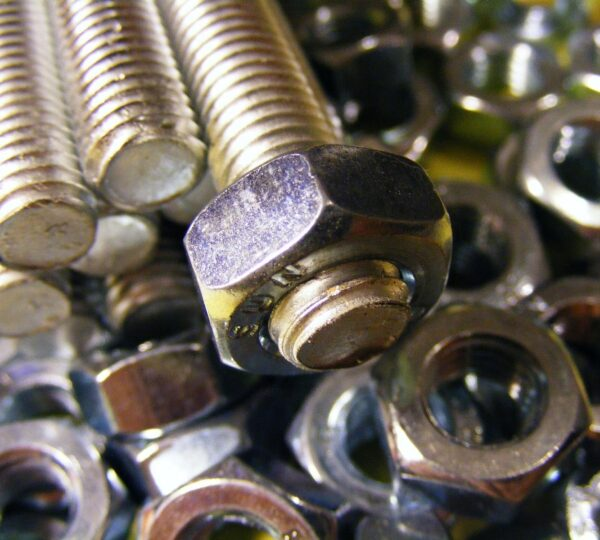
These parts rarely get credit, but they make our world work—quietly and reliably.
The Joy of Not Knowing
The best part of these mysterious little objects?
The wonder they create.
Not knowing the answer invites imagination. It encourages problem-solving and sparks conversations:
“Maybe it’s a part from a camera.”
“It looks like something from a lock.”
“Could it be from a mechanical device?”
It slows us down—in the best way—and lets us appreciate the beauty of curiosity itself.
In an age of instant information, a simple metal object with no obvious purpose becomes a rare invitation to observe, think, explore, and rediscover the joy of mystery.
A Small Object, A Big Reminder
These tiny metal pieces show us that significance isn’t always loud or obvious. They highlight hidden complexity, quiet craftsmanship, and the human ingenuity woven into even the smallest details of everyday life.
They remind us that curiosity is timeless, and wonder is always worth holding onto.
What do YOU think?
Ever found a mysterious object and couldn’t figure out what it was for?
Share your experience or theory—someone else might know the answer!