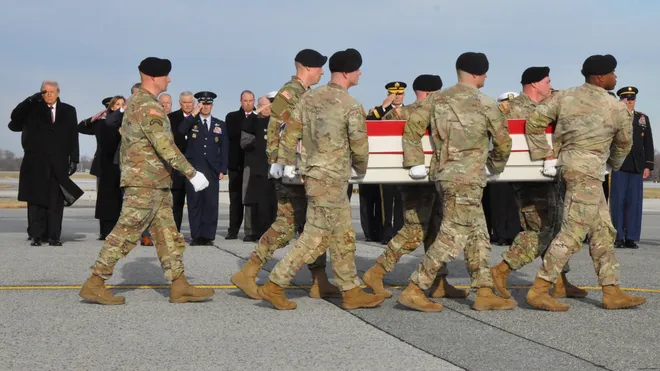

For families back home, the news arrived with devastating speed. Ordinary moments—unanswered messages, delayed phone calls—quickly gave way to the realization that something was wrong. In communities thousands of miles away, particularly in small towns across the Midwest, daily life was interrupted by a loss that felt both distant and deeply personal.
The men who were killed were known not for public recognition, but for quiet reliability. One volunteered his time mentoring young people through local sports programs, while another balanced professional responsibilities with a strong commitment to family. Their impact was felt not through headlines, but through consistent presence, leadership, and care within their communities.
When official notifications arrived, they brought necessary information but little comfort. For families, grief unfolded alongside unanswered questions and the difficult task of understanding how a familiar routine could end so suddenly. The language of strategy and security offered little solace compared to the absence left behind at dinner tables, school events, and community gatherings.
In the weeks that followed, the effects of the loss spread outward. Schools paused to acknowledge mentors who would no longer return. Coworkers adjusted to the absence of dependable colleagues. Neighbors gathered quietly to offer support, share memories, and ensure that the lives lost were remembered as more than statistics.
The experience served as a powerful reminder that military operations, regardless of scale, carry human consequences that extend far beyond the immediate location. Decisions made in distant command centers ultimately shape the lives of families and communities at home.
Despite the grief, resilience emerged. Communities found ways to honor service through everyday actions—continuing youth programs, supporting families, and preserving traditions that mattered to those who were lost. These gestures, though small, became meaningful expressions of remembrance.
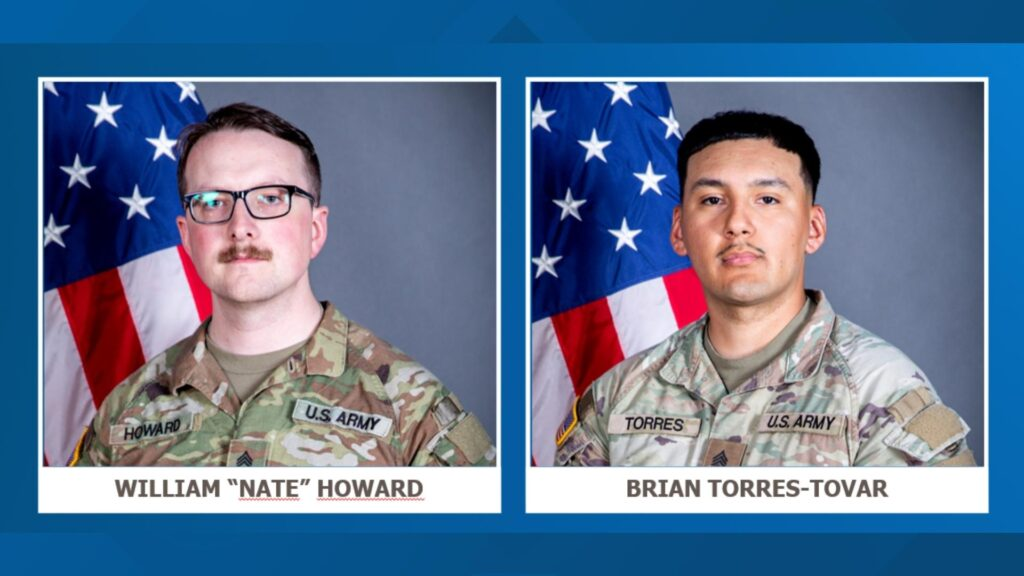
For loved ones, the path forward was marked by moments of reflection and endurance. Milestones and holidays took on new meaning, carrying both memory and loss. Yet within that process, stories of kindness, leadership, and commitment continued to be shared, ensuring that the influence of those who died would endure.
Ultimately, the story of this loss highlights a lasting truth: the effects of conflict do not end when the headlines fade. They remain present in homes, schools, and neighborhoods, shaping lives long after events have passed from public view.
Honoring those lost means recognizing the full scope of their lives—the relationships they built, the care they gave, and the values they carried. In doing so, communities affirm that remembrance is not confined to ceremonies, but lives on through continued responsibility, compassion, and reflection.