
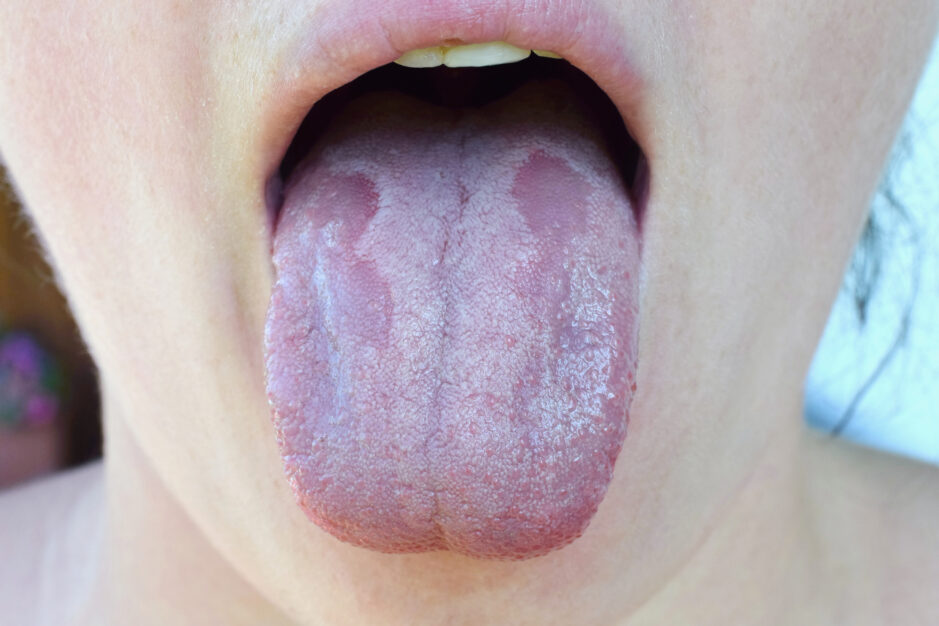
For many older adults, mornings begin with familiar rituals: wake up, wash your face, stretch, and glance in the mirror. Most days, nothing seems unusual. But sometimes, something small catches your eye—a tongue that looks different. Instead of its usual pink, it appears coated in white.
At first, it’s easy to dismiss. Maybe it’s dry air, sleeping with your mouth open, or something you ate the night before. Many assume it will fade on its own. And often, it does.
But for adults over 60, subtle changes deserve attention. As the body ages, even small signs can signal underlying issues. The tongue, in particular, is one of the body’s most responsive indicators of health. Changes in color, texture, or coating can reflect hydration, oral hygiene, immune balance, medication effects, and lifestyle habits.
A white tongue is usually harmless—but it can also be a quiet alert from your body that something needs adjusting. Understanding what it might mean helps seniors respond early, prevent discomfort, and support overall well-being.
Continue reading on next page…