
What a Healthy Tongue Looks Like
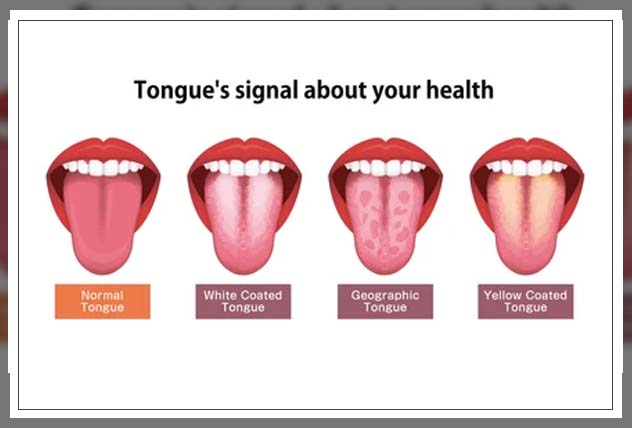
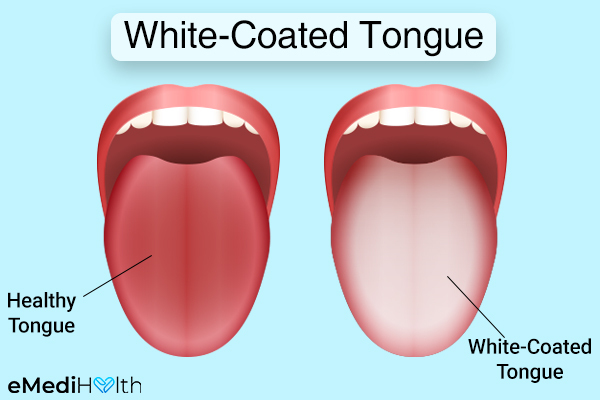
A normal tongue is pink, slightly moist, and evenly textured. A thin, transparent coating is normal and protective. Thick, patchy, or pale coatings suggest something has shifted. Often, the cause is simple and reversible—but sometimes it’s a sign of a bigger problem. Recognizing the difference empowers older adults to care for their health confidently.
Why Tongue Changes Matter More With Age
As we age, the body changes. Saliva production slows, immune response weakens, and medication use increases—all of which impact oral health. A white tongue may signal dehydration, dry mouth, reduced oral care, nutritional imbalance, or infection. Addressing these issues early can prevent discomfort and reduce complications.
Poor Oral Hygiene: An Often Overlooked Cause
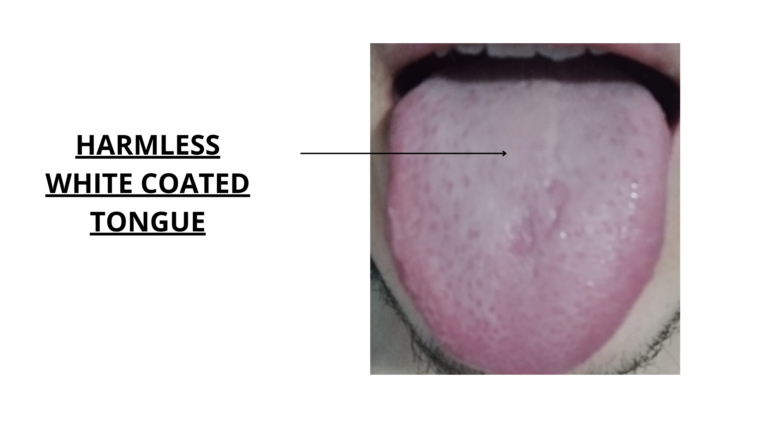
Many seniors brush their teeth diligently but forget the tongue. Its surface contains thousands of tiny grooves—perfect for trapping food, bacteria, and dead cells. Over time, this buildup creates a visible white coating.
Reduced saliva, dentures, arthritis, or sensitive gums make tongue cleaning harder for older adults. Using a soft toothbrush or tongue scraper, rinsing after meals, and regular dental visits can quickly restore a healthy tongue.
Dehydration: A Silent Contributor
Older adults often feel less thirsty, even when their bodies need fluids. Certain medications, from blood pressure pills to diuretics, can worsen dehydration. A dry mouth encourages bacterial buildup, leaving the tongue pale or white.
Drinking water consistently—morning, afternoon, and evening—supports saliva production, oral health, digestion, and even mental clarity.
Dry Mouth and Medication Effects
Dry mouth isn’t just uncomfortable—it can make swallowing, chewing, and speaking harder, and increase the risk of cavities and oral infections. Many common medications, including those for heart disease, allergies, depression, or sleep issues, reduce saliva.
Managing dry mouth may involve reviewing medications with a healthcare provider, sipping water, chewing sugar-free gum, and avoiding alcohol-based mouthwashes. Even small adjustments can make a big difference.
Oral Thrush and Immune Health
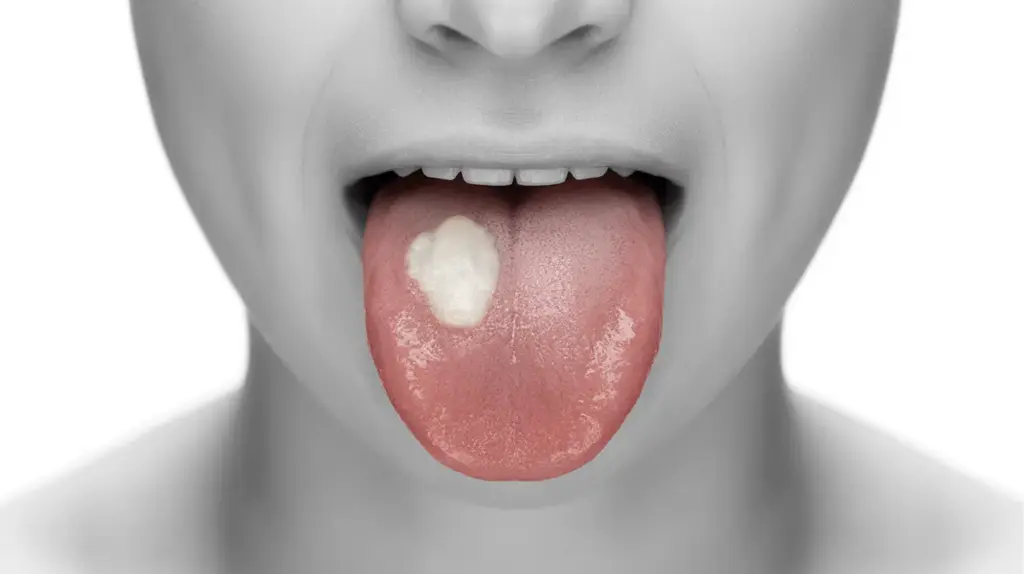
Sometimes, a white tongue signals oral thrush—a yeast overgrowth. Thrush appears as thick, creamy patches, often with soreness or burning. Seniors, especially those with weakened immunity, diabetes, or dentures, are more susceptible. Unlike simple buildup, thrush may bleed when scraped and requires professional treatment.
Diet and Lifestyle: Your Mouth Reflects Your Choices
What you eat affects oral health. Sugary, refined foods feed bacteria and yeast, worsening tongue coating. Seniors who rely on soft, processed foods may see faster buildup.
Fresh fruits, vegetables, and fiber-rich foods stimulate saliva and provide gentle tongue cleaning. Vitamins like B, iron, and zinc support oral tissues and healthy tongue color. Limiting sugar and processed foods can produce noticeable improvements within days.
Smoking and alcohol also dry and irritate the mouth. Cutting back helps restore moisture, reduce coating, and improve taste.
Sleep Habits and Morning Tongue Coating
Many notice a white tongue in the morning. Mouth breathing overnight, nasal congestion, or sleep apnea can worsen dryness. Humidifiers, nasal breathing, and staying hydrated before bed help reduce morning coating.
Dentures and Tongue Health
Dentures trap bacteria and yeast if not cleaned properly. Removing them daily, cleaning thoroughly, and caring for gums and tongue reduces oral thrush risk. Well-fitted dentures improve comfort, prevent irritation, and support a healthier tongue.
When to Seek Medical Advice
While most white tongue cases are harmless, consult a healthcare provider if you notice:
- Coating lasting more than 2–3 weeks
- Pain, swelling, cracks, or bleeding
- Difficulty swallowing, chewing, or speaking
- Spread to cheeks, gums, or throat
- Unexplained fatigue or weight loss
Early evaluation can prevent complications and restore comfort quickly.
Daily Practices for a Healthy Tongue
Simple daily routines make a big difference:
- Brush teeth and tongue gently twice a day
- Stay hydrated throughout the day
- Clean dentures daily and remove at night
- Eat a balanced diet rich in fresh foods
- Limit sugar, alcohol, and tobacco
- Attend regular dental and medical checkups
Together, these steps support oral comfort, confidence, and long-term health.
Listen to Your Body
A white tongue isn’t a reason to panic—it’s a reason to pause and respond. It may signal dehydration, diet imbalance, medication effects, or oral health changes. By paying attention and taking action, seniors can protect their mouth, digestion, nutrition, and overall well-being.
Even the smallest signs can carry important messages. Watching your tongue daily and responding with care is a simple, effective way to honor your body’s wisdom and maintain health, comfort, and dignity as you age.
Take a moment each morning to check your tongue. Share this with loved ones—especially seniors—to help everyone stay healthy, hydrated, and aware of these small but important signals.