Smoking and alcohol also dry and irritate the mouth. Cutting back helps restore moisture, reduce coating, and improve taste.
Sleep Habits and Morning Tongue Coating
Many notice a white tongue in the morning. Mouth breathing overnight, nasal congestion, or sleep apnea can worsen dryness. Humidifiers, nasal breathing, and staying hydrated before bed help reduce morning coating.
Dentures and Tongue Health
Dentures trap bacteria and yeast if not cleaned properly. Removing them daily, cleaning thoroughly, and caring for gums and tongue reduces oral thrush risk. Well-fitted dentures improve comfort, prevent irritation, and support a healthier tongue.
When to Seek Medical Advice
While most white tongue cases are harmless, consult a healthcare provider if you notice:
- Coating lasting more than 2–3 weeks
- Pain, swelling, cracks, or bleeding
- Difficulty swallowing, chewing, or speaking
- Spread to cheeks, gums, or throat
- Unexplained fatigue or weight loss
Early evaluation can prevent complications and restore comfort quickly.
Daily Practices for a Healthy Tongue
Simple daily routines make a big difference:
- Brush teeth and tongue gently twice a day
- Stay hydrated throughout the day
- Clean dentures daily and remove at night
- Eat a balanced diet rich in fresh foods
- Limit sugar, alcohol, and tobacco
- Attend regular dental and medical checkups
Together, these steps support oral comfort, confidence, and long-term health.
Listen to Your Body
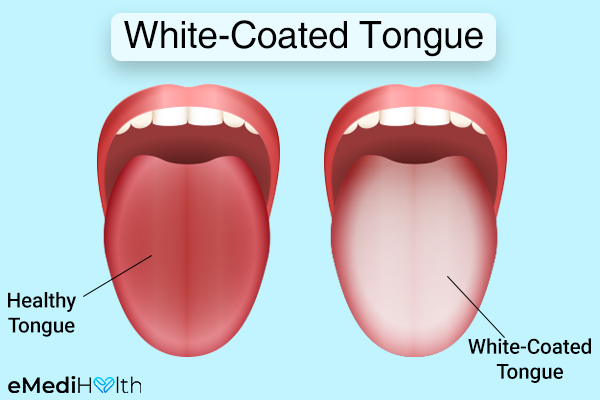
A white tongue isn’t a reason to panic—it’s a reason to pause and respond. It may signal dehydration, diet imbalance, medication effects, or oral health changes. By paying attention and taking action, seniors can protect their mouth, digestion, nutrition, and overall well-being.
Even the smallest signs can carry important messages. Watching your tongue daily and responding with care is a simple, effective way to honor your body’s wisdom and maintain health, comfort, and dignity as you age.
Take a moment each morning to check your tongue. Share this with loved ones—especially seniors—to help everyone stay healthy, hydrated, and aware of these small but important signals.
 Read Next Story →
COVID-19 Vaccines and Illness: What the Evidence Really Shows
More Stories You May Like
See More →


Priya got into health writing after watching her mom fall down a rabbit hole of miracle-cure Facebook posts. She reads the actual studies so you don't have to, and she'll tell you straight when the evidence is thin.
More from Priya →