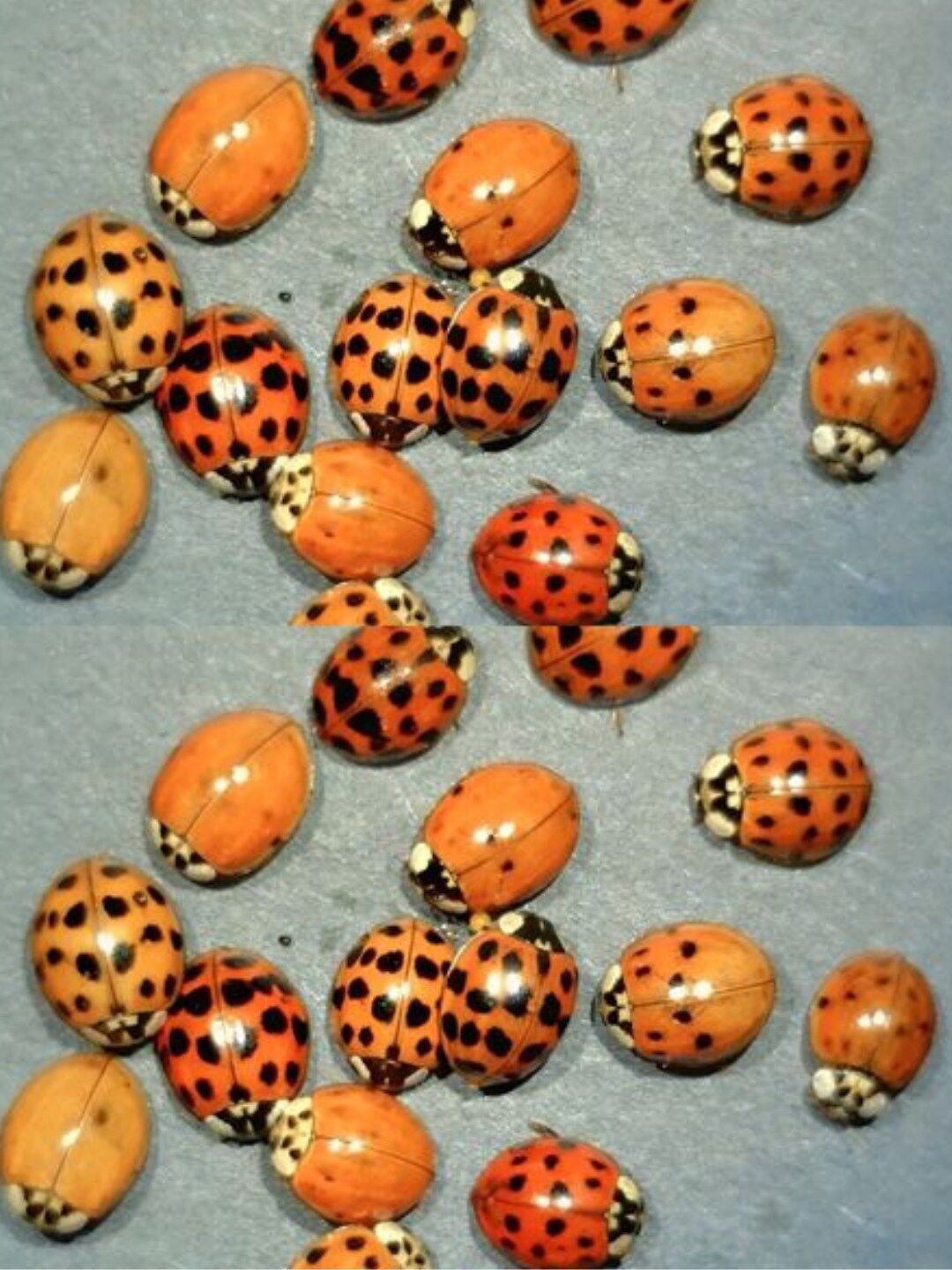
Spotting a yellow ladybug feels like finding a hidden treasure in your garden. Most of us grew up knowing the classic red ladybug with black spots, so seeing one in bright yellow immediately catches the eye. Their tiny, glowing bodies contrast beautifully against green leaves and colorful flowers, inviting a moment of curiosity and wonder. Whether it lands nearby or rests quietly on a plant, a yellow ladybug can turn an ordinary garden visit into a small, joyful discovery.
Yellow ladybugs are real and belong to the large Coccinellidae family, which includes thousands of species worldwide. They appear in an array of colors—red, orange, black, and yellow—each pattern serving a purpose in nature. One of the most well-known yellow varieties is the fourteen-spotted ladybug, recognized for its soft yellow shell and dark markings. These colorful insects remind us that nature thrives on diversity and rarely follows a single design.
The bright yellow of these ladybugs isn’t just for beauty. In the wild, vivid colors act as warning signals, a defense mechanism against predators. Ladybugs produce a bitter-tasting substance when threatened, and their bold coloring signals birds and other animals to think twice before attacking. Beyond their protective traits, yellow ladybugs are garden heroes, feeding on plant pests like aphids. For gardeners, spotting one is a welcome sign of natural pest control without chemicals.
Continue reading on next page…