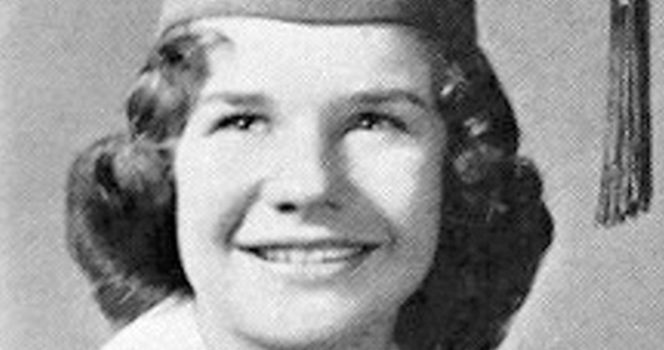
College Years and Rebellion
Janis enrolled at the University of Texas at Austin, where her free spirit clashed with conventional expectations. Barefoot, carrying her autoharp everywhere, wearing Levi’s for comfort—she lived authentically. But she was still misunderstood. At one point, she nearly “won” a campus contest for the “ugliest man,” a humiliating prank that left her feeling even more like an outsider.
Despite appearances, there was one thing everyone noticed: her talent. Her voice was raw, emotional, and undeniable. Even as she battled insecurities, her music always spoke louder than any judgment.
The Road to Stardom
In January 1963, Janis left college, hitchhiking to San Francisco with a dream and an autoharp. Coffeehouses became her stage, and those who heard her instantly recognized her brilliance. But the early ’60s music industry wanted conventional looks, not the kind of wild, soulful beauty Janis embodied.
Her life in San Francisco wasn’t easy. The city’s music scene was intoxicating, but also dangerous. Drugs and alcohol became part of her story—speed, dope, heroin, Southern Comfort—all used to cope with pressure, fear, and the relentless grind of being a solo artist. By 1965, she returned to Texas, a shell of her former self, just six stone, seeking therapy, college, and a sense of normalcy.
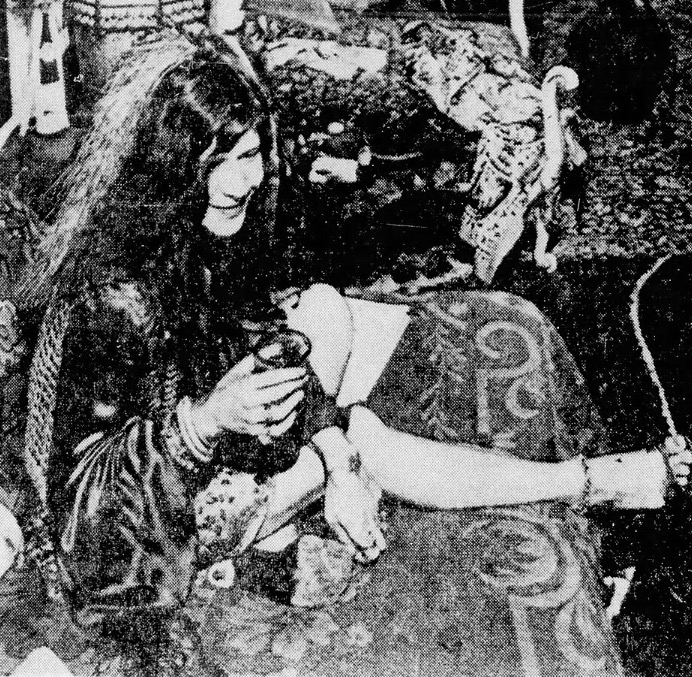
Yet the call of music was stronger. San Francisco beckoned again, this time with a new band: Big Brother and the Holding Company.
A Voice for the Counterculture
By June 1966, Janis and the band played the Monterey Pop Festival. Originally scheduled for a low-profile slot, she stunned the crowd. The audience demanded an encore. Columbia Records signed her for $250,000. Overnight, the shy, acne-scarred girl became the icon of a generation.
Her voice, energy, and charisma turned heads. Men, media, and fans alike couldn’t resist her. She embraced her fame openly, even boasting about flings with Joe Namath and talk show host Dick Cavett. Janis Joplin became the first true female rock star—bold, fearless, unforgettable.
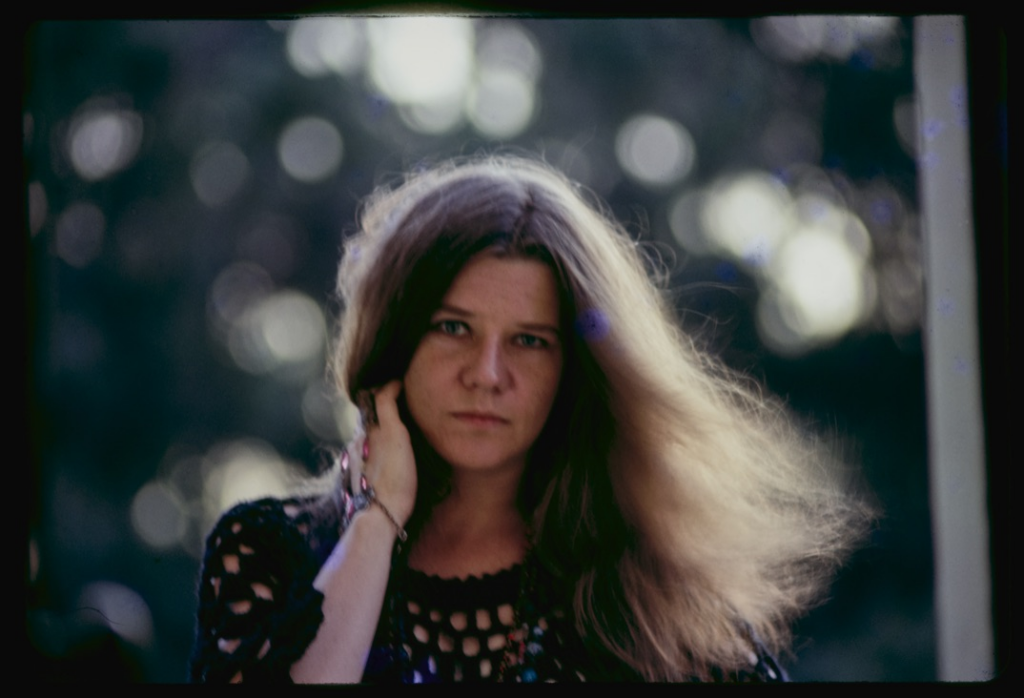
Music, Legacy, and Influence
Janis’s talent was undeniable. Hits like Piece of My Heart, Cry Baby, Down on Me, Ball and Chain, Summertime, and Mercedes Benz cemented her place in music history. She carried the influence of blues legends like Odetta, Billie Holiday, Otis Redding, and especially Bessie Smith, whose unmarked grave in Philadelphia inspired Janis to fund a proper tombstone.
Her letters to her family reveal a woman striving to please, to justify her choices, and to connect with loved ones despite her wild, rebellious lifestyle. Her parents supported her, even when worried about drugs and fame, prioritizing love over control.
The Final Hours
Tragically, Janis Joplin’s life was cut short. On October 4, 1970, at just 27, she was found dead in her Los Angeles hotel room. Her death was caused by a lethal dose of heroin—the same batch that killed eight others that weekend. Cremated in Los Angeles, her ashes were scattered over the Pacific Ocean, leaving the world with her music, spirit, and voice.
Janis Joplin wasn’t just a performer. She was the soul of a movement, a voice for the misunderstood, a woman who refused to conform and made the world listen. From Port Arthur to San Francisco, from acne scars to Monterey Pop, she embodied rebellion, brilliance, and raw emotion—a legend whose music continues to inspire.
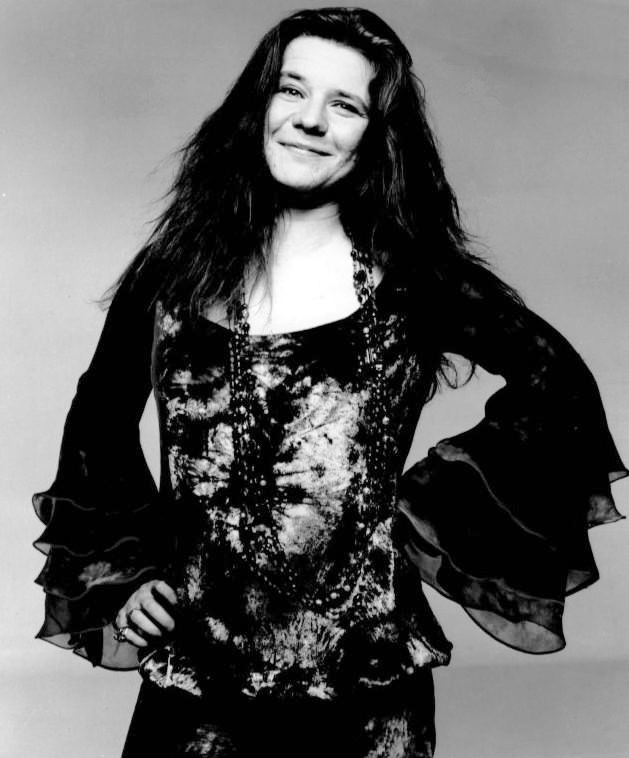
Remembering Janis
Janis Joplin taught the world that talent, authenticity, and courage matter more than conformity or beauty standards. Her life was turbulent, her journey hard, but her voice? Eternal.
If Janis’s story inspires you, honor her legacy by sharing her music, her courage, and the reminder that being different can be the most powerful thing of all.