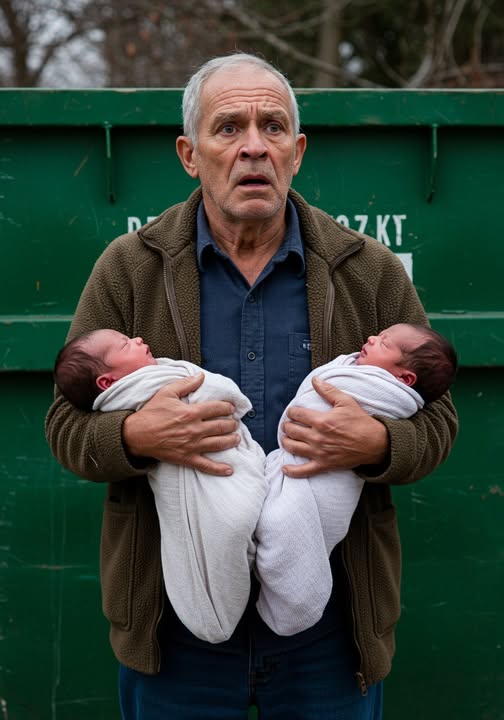
Elias Franklin had once lived a life governed by order and purpose. Each morning, he unlocked the door to his small radio repair shop just as the sun crept between the buildings at Maple and 3rd. Inside, time moved differently. Dust motes hovered above wooden shelves, solder hissed softly against metal, and the air carried the familiar perfume of old circuitry and varnished wood. Neighbors trusted Elias not just with their broken radios, but with fragments of their routines—the voices, music, and news that connected them to the world. He understood how invisible currents carried sound, how fragile threads of copper and glass held entire conversations together. Repairing connections was not just his job; it was who he was.
His life beyond the shop was simple and deeply rooted. Norin, his wife, filled their home with warmth and laughter that softened even the hardest days. Their son, Peter, followed Elias everywhere, clutching toy tools and imitating his father with absolute faith that nothing was beyond repair. Money was always tight, but stability wrapped their family like a protective shell. Elias belonged—to his craft, to his family, to his corner of the city.
That balance began to fracture with something so small it barely registered at first. Norin’s cough lingered. Fatigue settled into her bones. She waved it off with a smile, unwilling to disturb the fragile peace of their lives. Elias wanted to believe her. When the truth arrived, it landed without mercy: aggressive cancer, already advanced. For the first time, Elias faced something he could not dismantle, diagnose, or fix.
He sold everything without hesitation. Savings disappeared first, then the car, then the shop itself. The tools that had defined him, the radios waiting patiently for repair, even the bell above the door—each was exchanged for time. But time was the one thing no amount of sacrifice could buy.
Norin died six months later.
What followed was not dramatic grief but a suffocating quiet. The apartment felt hollow, as if her absence had removed the air itself. Elias drifted through days without direction. Peter, grieving in his own way, eventually left to live with relatives. Calls slowed, then stopped. Rent went unpaid. One day, Elias stepped outside and simply never returned. He slipped into the city’s margins, becoming another unseen figure curled beneath layers of cardboard and threadbare coats.
On November 3rd, winter announced itself with cruelty. The wind cut through the alley behind Westwood Grocery as Elias scavenged for scraps to block the cold from the concrete. Then he heard it—a sound too fragile to belong to the city’s usual chorus. A faint cry, barely clinging to life.
The source was a dumpster rimed with ice.
Inside, wrapped in a soaked towel amid frozen trash, lay two newborn babies. Their skin was pale and bluish, their bodies frighteningly still except for one weak, broken cry. Elias didn’t pause. He didn’t calculate risk or consequence. He pulled off his coat, wrapped them against his chest, and ran.
At St. Mary’s Hospital, he burst through the emergency room doors, breathless and shaking. “They were outside,” he managed. “They’re freezing.” Nurses rushed forward, and the babies disappeared into bright corridors and medical urgency. Elias sank into a plastic chair, trembling—not just from the cold, but from something stirring awake inside him.
He stayed.
For days, he lingered near the NICU, sleeping upright, surviving on coffee and borrowed warmth. Staff members eyed him warily at first, then with growing compassion. Eventually, a doctor told him the babies had survived. Another hour in the cold, and they would not have.
When Elias learned they had no names—only letters—something inside him tightened. He stood at the glass and whispered, “Aiden,” for the one who had been silent. “Amara,” for the other. Grace. The names were written down, not because he had the right, but because everyone in that room understood he had earned them.
Reality, however, was immovable. A social worker explained gently that heroism did not equal guardianship. Elias had no home, no income, no stability to offer. On discharge day, he stood across the street as the twins were carried away by a foster family. He did not follow. He did not ask. He simply watched until they were gone.
That night, the alley felt altered. Elias was still homeless—but no longer empty. He began rebuilding his life the only way he knew how: carefully. A pawn shop owner let him repair electronics in exchange for food, a bed, and a small wage. Elias fixed radios again, then televisions, then anything with a broken signal. Piece by piece, he reassembled himself.
Every year on November 3rd, Elias returns to that alley. He leaves behind something warm—a coat, a blanket, a scarf—for whoever might need it next. He never learned where Aiden and Amara ended up. He doesn’t search for them. He lives with the certainty that they are alive, and that is enough.
Once, Elias Franklin repaired radios. Then he repaired lives—first theirs, and then his own. And he learned that sometimes, listening closely in the darkest places can save more than just what’s broken.