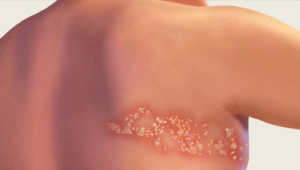
Early treatment is essential. Antiviral medications given within 72 hours of symptom onset can shorten the illness and reduce the risk of complications. Without prompt care, some people develop postherpetic neuralgia, a chronic nerve pain that can last months or even years, affecting sleep, mood, and daily activities.
Contagion and Caution
Shingles itself isn’t directly contagious. However, the virus can infect people who have never had chickenpox or the vaccine, causing chickenpox—not shingles. During active outbreaks, it’s wise to avoid contact with pregnant women, newborns, and immunocompromised individuals.
Prevention Is Key
Vaccines are highly effective at reducing the risk of shingles and minimizing severity if it occurs. Experts recommend vaccination for older adults and those at higher risk.
Beyond medicine, shingles is a reminder that good health requires attention to your immune system. Balanced nutrition, stress management, and noticing your body’s warning signals can help prevent reactivation and other health issues.
Takeaway
Shingles is common but often underestimated. Knowing the causes, spotting early symptoms, and acting quickly can make all the difference—protecting you from prolonged pain and serious complications.
Have you or someone you know experienced shingles? Share your experiences or tips in the comments below to help others stay informed and healthy.
 Read Next Story →
COVID-19 Vaccines and Illness: What the Evidence Really Shows
More Stories You May Like
See More →


Priya got into health writing after watching her mom fall down a rabbit hole of miracle-cure Facebook posts. She reads the actual studies so you don't have to, and she'll tell you straight when the evidence is thin.
More from Priya →