
Shadows, Light, and Color
Shadows, lighting, and color contrast can dramatically change how your brain interprets a scene. A shadow can make objects appear larger, smaller, or warped. Certain colors can exaggerate depth or flatten it, while familiar symbols may look unrecognizable from unusual angles.
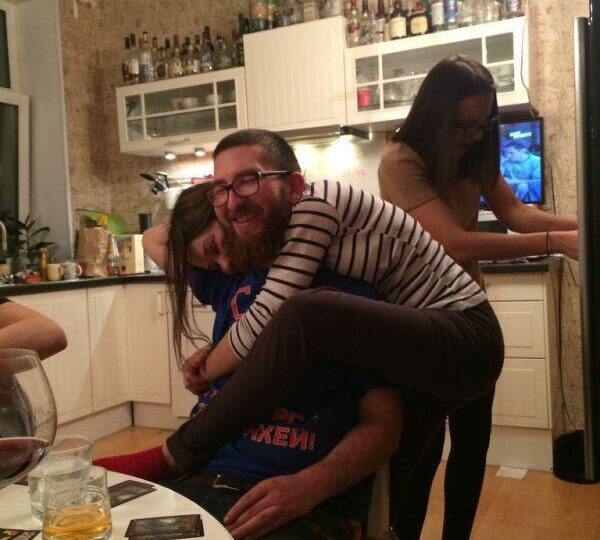
Why These Images Captivate Us
The power of these illusions lies in hesitation and discovery. They turn ordinary moments into puzzles, forcing your brain to slow down and reevaluate. Once your mind resolves the scene, there’s a rush of clarity—a small reward for your perception.
Importantly, these illusions don’t rely on Photoshop or digital manipulation. They are real-life phenomena created by timing, perspective, alignment, and environment. They remind us that seeing is not the same as understanding. Our eyes provide information, but our brains interpret it—and sometimes, that interpretation is wrong.

Seeing Beyond the First Glance
Optical illusions teach us to question first impressions, examine details carefully, and consider multiple perspectives. They reveal the flexible and context-dependent nature of perception, showing that reality is rarely as simple as it appears.
By challenging your brain, these images encourage curiosity, wonder, and a deeper appreciation for the subtle complexities around us. A second glance can completely change what you thought you knew.

Next time you spot a mind-bending photo, take a closer look—your brain might just be tricking you! Share your favorite optical illusions and see who else can solve the visual puzzle.
 Read Next Story →
I Woke Up in the Middle of the Night Convinced Something Was Biting My Skin—and the Truth Was Hilariously Embarrassing
More Stories You May Like
See More →


Theo is the guy who will spend 45 minutes arguing about what you see in an optical illusion and then write 800 words about it. Former social media manager who figured out that people share things that make them feel clever, so that's what he writes: ring quizzes, hidden pictures, the works.
More from Theo →