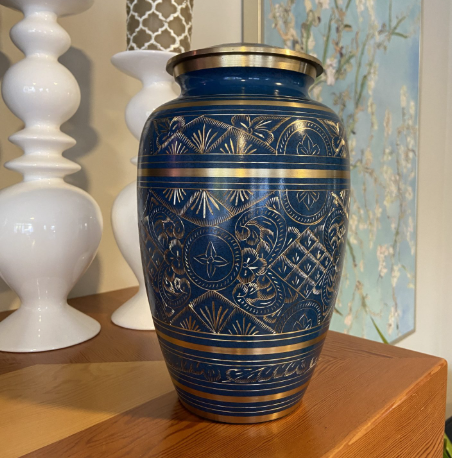
Grief counselors often remind families to focus on what matters most: healing. If keeping ashes at home brings comfort, warmth, or connection, it’s a valid choice. If the presence of the ashes intensifies grief, other forms of remembrance—like a memorial garden, a charitable donation, or a curated memory album—may feel more supportive.
Practical matters are important too: choose a durable urn, check local laws before scattering ashes, and discuss plans with family so everyone respects the wishes. Some families share a small portion of ashes among relatives or create keepsake memorials, allowing each person to remember in a gentle, personal way.
Ultimately, there’s no “one right answer” to where ashes belong. It isn’t dictated by fear, rules, or tradition—it’s defined by love. By choosing what brings peace to the heart, honors the life that was lived, and helps the living move forward while keeping the bond alive, you give the choice its true meaning.
Whether kept at home, returned to the earth, or placed in a sacred spot, it’s the intention—the care, respect, and remembrance—that makes the decision meaningful.
How have you honored a loved one who’s passed? Share your story in the comments—we’d love to hear your ways of keeping their memory alive.