 Home & Living
This 6.19-Acre Property Comes With a 3-Bedroom Home—and an Unexpected Surprise
At first glance, this property looks like the kind of place many buyers imagine when they dream about escaping the noise of everyday life.
More than six acres of land. A comfortable three-bedroom home. Plenty of open space for gardens, workshops, recreation areas, or simply enjoying some privacy. It sounds like a straightforward rural retreat—until one unusual feature changes the entire story.
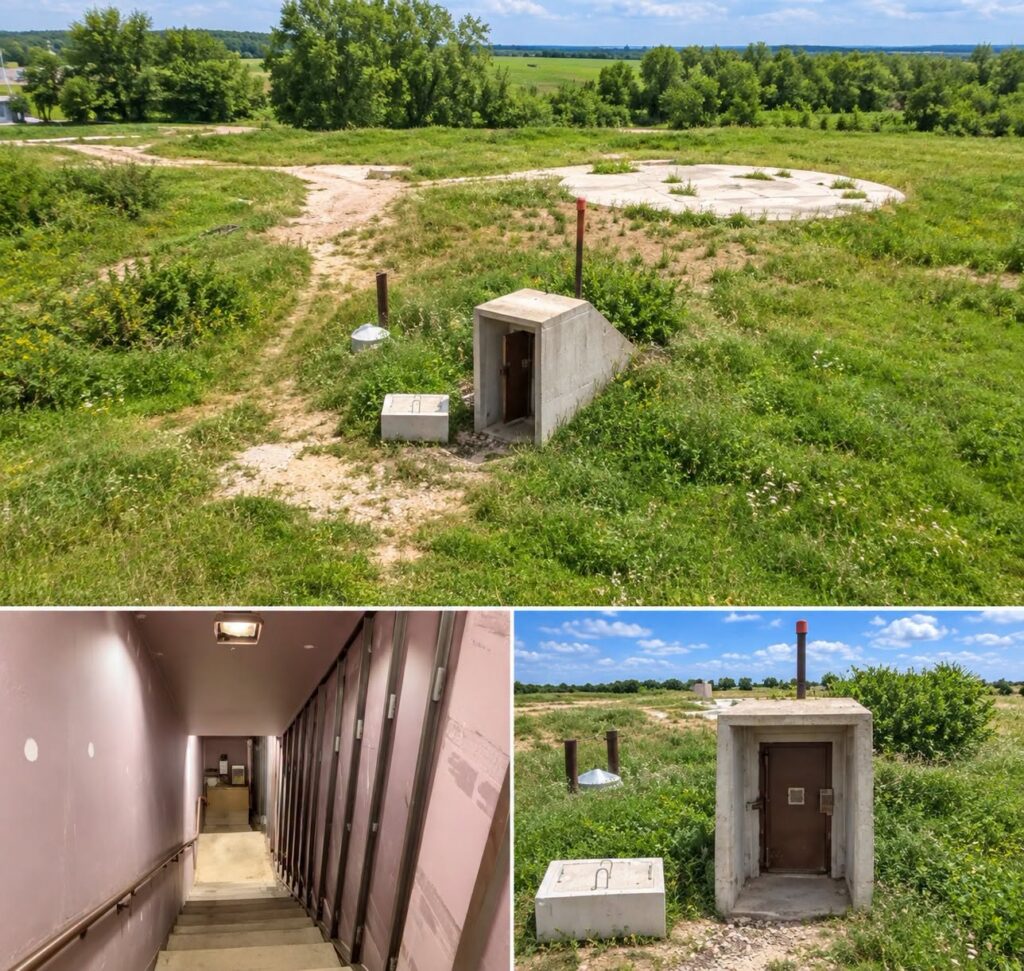
A bunker sits somewhere on the property.
Suddenly, the acreage feels different. What seemed like an ordinary country home now comes with a question that could take a careful buyer well beyond the real-estate listing: Why is it there?
That mystery may be fascinating, but it should also encourage caution.
A bunker can mean many different things depending on when it was built, how it was constructed, and what it was originally intended to accomplish. It could be an old storage structure, a reinforced shelter, a specialized workspace, or something connected to the property's history. Without documentation and a professional inspection, however, there is no reason to assume its purpose.
That is where curiosity needs to give way to due diligence.
Before making an offer, a potential buyer should examine the property as carefully as they would any other significant investment. The boundaries should be clearly established. Local zoning and land-use rules should be reviewed. Drainage and grading deserve attention, particularly on a large rural parcel. Septic systems, wells, electrical equipment, roofing, foundations, and other major components should also receive appropriate inspections.
 Up Next: Page 2 of 2
And then there is the bunker.
Its condition may be just as important as its story. Buyers should want to know when it was constructed, whether permits were...
Continue Reading