In the letter, McMahon accused state leadership of failing to adequately prevent or address widespread misuse of public assistance and education aid programs. She alleged that weaknesses in oversight allowed fraudulent activity to persist, placing significant amounts of taxpayer money at risk. The letter cited concerns involving false student enrollments, nonprofit organizations with questionable operations, and coordinated fraud schemes targeting federal programs.
McMahon argued that state authorities did not take sufficient action early enough to prevent or limit the alleged abuses. While the letter focused primarily on administrative failures, it also referenced broader political concerns, including the role of prominent Minnesota lawmakers, which added to the partisan tone of the criticism.
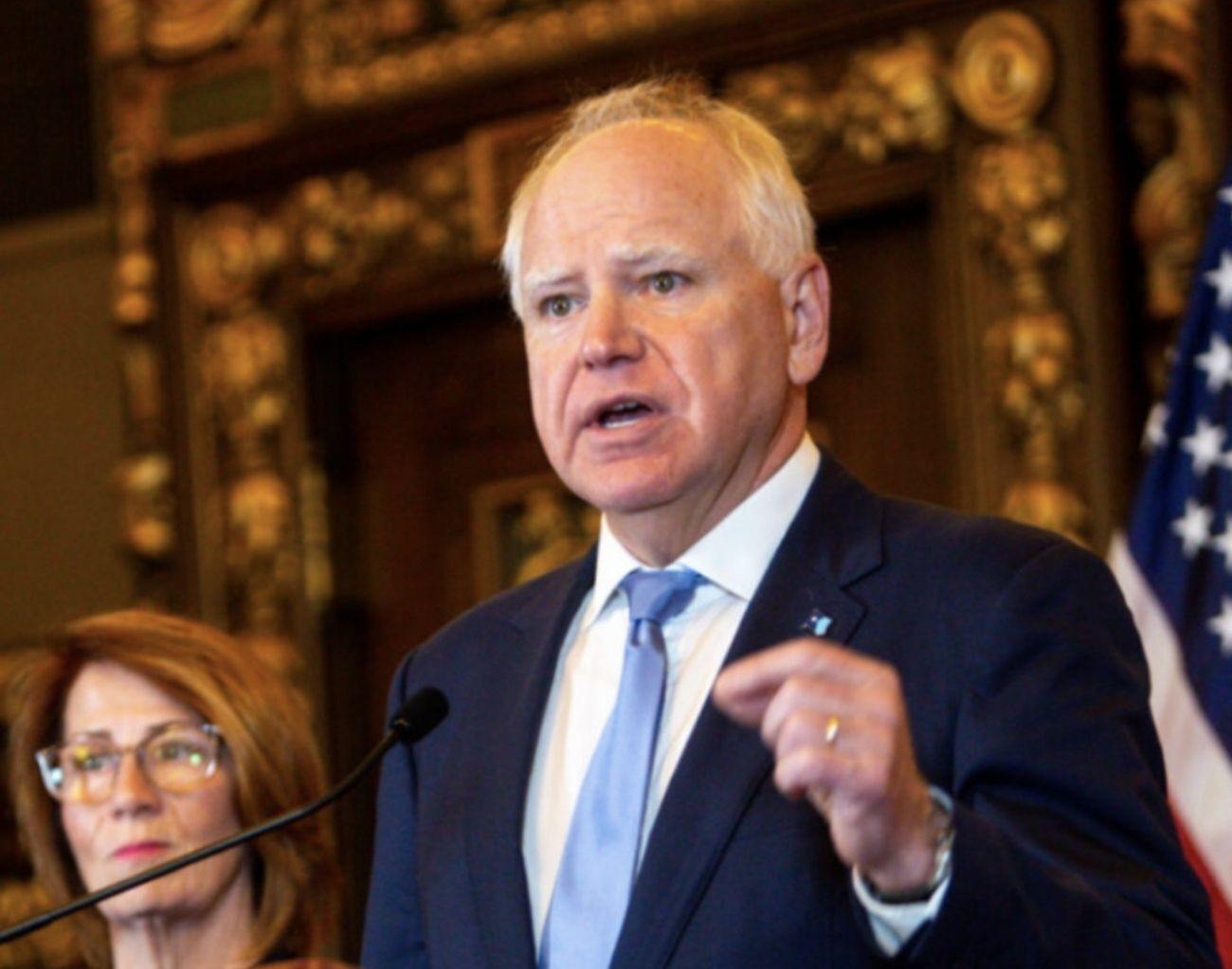
Governor Walz has acknowledged that fraud cases in the state exposed serious weaknesses in existing systems. In response, his administration has pointed to steps taken to strengthen oversight, including expanded audits, enhanced fraud detection measures, and reforms aimed at improving transparency and compliance. State officials have emphasized that these measures are intended to prevent similar issues in the future and restore public confidence in program administration.
Despite those efforts, McMahon’s call for resignation suggests that the administration views the issue as more than a technical failure, framing it instead as a matter of leadership responsibility. The dispute has elevated what began as a state-level issue into a national political debate over the management of federal funds and the accountability of state governments.
The controversy has drawn mixed reactions. Supporters of the administration argue that stronger consequences are necessary when public funds are misused, while critics contend that the resignation demand is politically motivated and overlooks corrective actions already underway.
As federal investigations continue and oversight requirements are tightened, questions remain about whether the reforms implemented by Minnesota will be sufficient to rebuild trust. The situation has become a focal point in broader discussions about government accountability, program integrity, and the balance between enforcement and political oversight at both the state and federal levels.