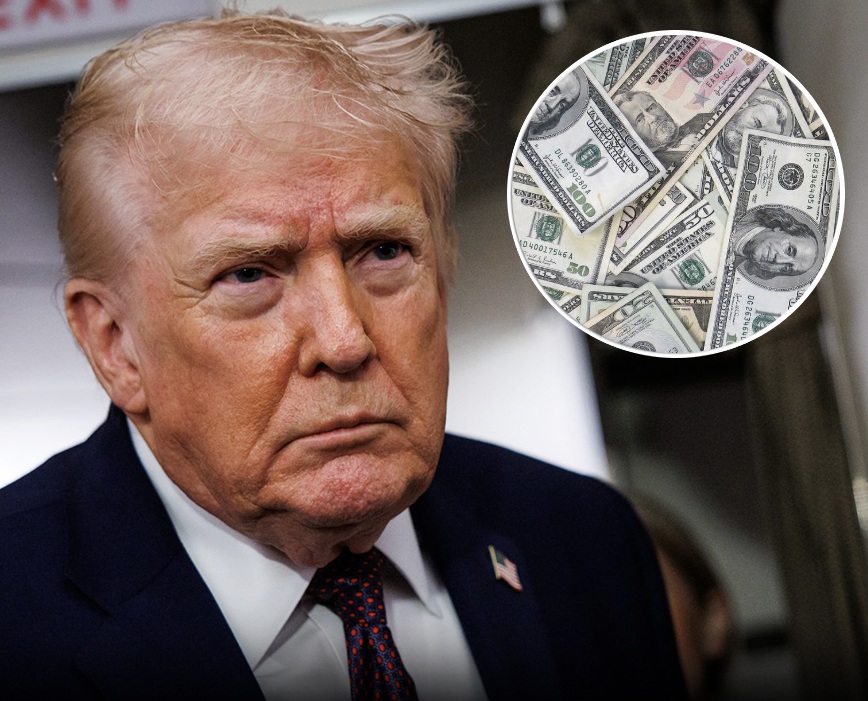
Trump’s tariffs, first introduced in February 2025, affected more than $150 billion in goods from countries including China, India, Canada, and the European Union. The administration has cited national security concerns as justification, and Trump has repeatedly framed the policy as essential for both protecting American industries and funding a “tariff dividend” program that would send checks to low- and middle-income citizens.
Legal Challenge Over Presidential Authority
Lower courts have questioned the legality of the tariffs. In May 2025, the U.S. Court of International Trade ruled the measures unlawful, and the Federal Circuit upheld that decision in August, noting that tariffs are traditionally a power reserved for Congress. The Supreme Court agreed to hear the case, Learning Resources, Inc. v. Trump, on an expedited schedule.
Legal experts say the central question is whether the president’s emergency powers under IEEPA include the authority to impose economic measures that function like taxes.
New Tariff Initiative Targets Iran-Connected Trade
On Monday, Trump announced a 25% tariff on imports from any country maintaining commercial ties with Iran, citing concerns over the Iranian government’s treatment of protesters. While the policy is aimed at further isolating Iran, critics say it may disrupt trade with major U.S. partners such as China, Turkey, and the United Arab Emirates, potentially leading to higher costs for American consumers.
Stakes for the “Tariff Dividend” Program
The president has promoted his tariffs as a way to fund direct payments to Americans, which he has pledged to reach $2,000 per eligible citizen. Analysts caution that if the Supreme Court strikes down the tariff program, the revenue collected could instead be used to repay companies and foreign entities affected by the duties, jeopardizing the planned dividend payments.
Trump emphasized the potential economic impact in recent posts, warning that invalidation of the tariffs could result in billions of dollars in refunds to importers and related losses, calling it a “complete mess” for the country’s finances.
Awaiting the Supreme Court Decision
The Supreme Court is expected to issue its decision soon, with observers noting that the outcome could have wide-reaching effects on U.S. trade policy, presidential authority, and the administration’s domestic economic initiatives.
If you want, I can also rewrite this in a shorter, viral-friendly format optimized for Google Discover and high AdSense revenue. That version would highlight the Supreme Court stakes, Trump’s warnings, and the tariff dividend in under 500 words.