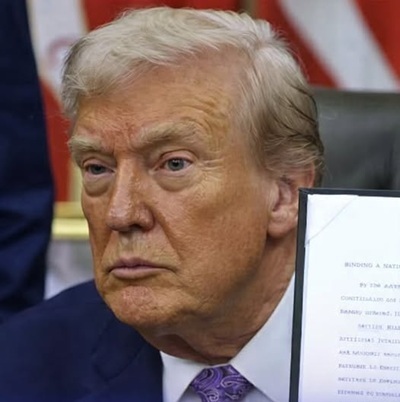
Administration officials stated that participation in some multilateral organizations no longer aligns with U.S. interests or policy goals. They argue that reducing involvement will allow taxpayer resources to be redirected toward domestic programs and bilateral initiatives considered more directly beneficial to the United States.
Organizations Affected
Among the organizations named in the memorandum are several well-known UN entities involved in development, health, and social policy. These include UN Women, which supports gender equality initiatives worldwide, and the United Nations Population Fund (UNFPA), which focuses on maternal health and family planning programs. U.S. funding for these organizations has been debated across multiple administrations.
The administration indicated that decisions regarding withdrawal or funding reductions would be carried out “to the extent permitted by law,” acknowledging that some U.S. commitments are governed by treaties or congressional appropriations and may require legislative action.
In addition to UN bodies, the policy affects a range of non-UN organizations involved in areas such as energy policy, arms monitoring, economic cooperation, climate research, and international development finance. The memo notes that U.S. participation in advisory roles, funding programs, and governance structures will be reassessed or discontinued where appropriate.
Policy Context and Rationale
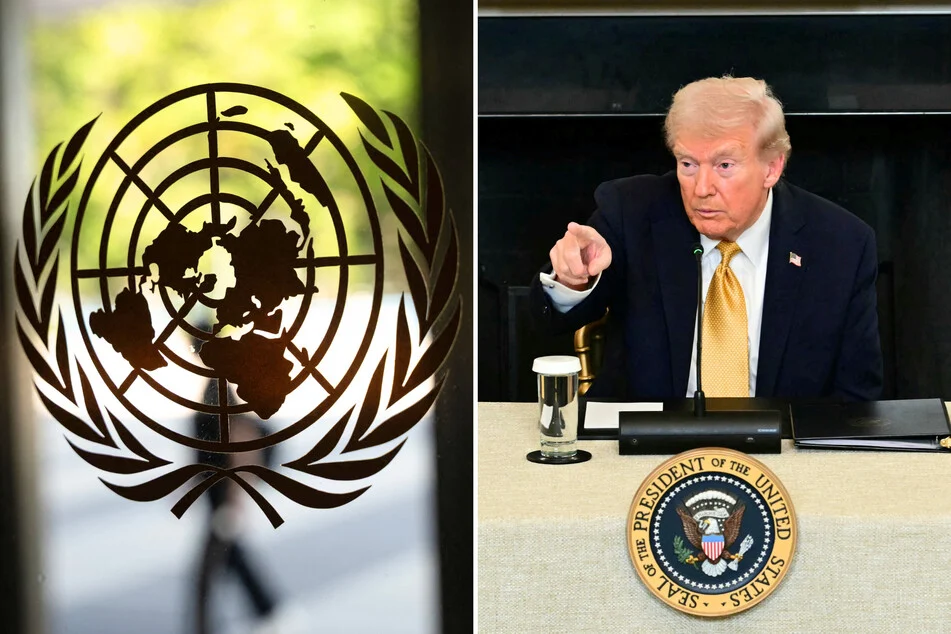
The announcement follows a series of foreign policy adjustments that have characterized the administration’s approach to international engagement. In recent years, the United States has reduced participation in certain global initiatives related to climate policy, public health coordination, and multilateral agreements.
Administration officials argue that some international organizations impose obligations or policy expectations that limit U.S. flexibility or offer limited measurable benefit. By stepping back from these institutions, they say the United States can pursue trade, environmental, and development policies independently while prioritizing domestic economic growth and infrastructure investment.
Supporters of the policy describe it as a reassessment of long-standing commitments, aimed at improving accountability and ensuring that U.S. resources are used effectively.
Reactions and Criticism
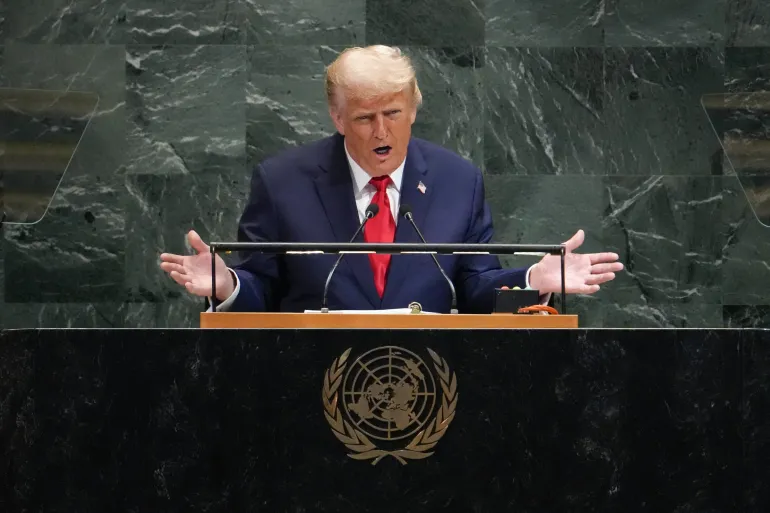
The announcement has drawn mixed reactions from policymakers, analysts, and international partners. Critics argue that reducing U.S. participation in multilateral organizations could weaken America’s influence in global decision-making and limit its ability to shape international standards on issues such as trade, humanitarian assistance, and environmental protection.
Some experts also express concern that funding reductions could affect global programs addressing health crises, refugee assistance, disaster response, and development efforts, areas where U.S. contributions have historically played a significant role.
Supporters counter that the United States can continue to provide humanitarian assistance and international cooperation through alternative channels, including bilateral agreements and targeted aid programs that align more closely with national priorities.
Historical Perspective
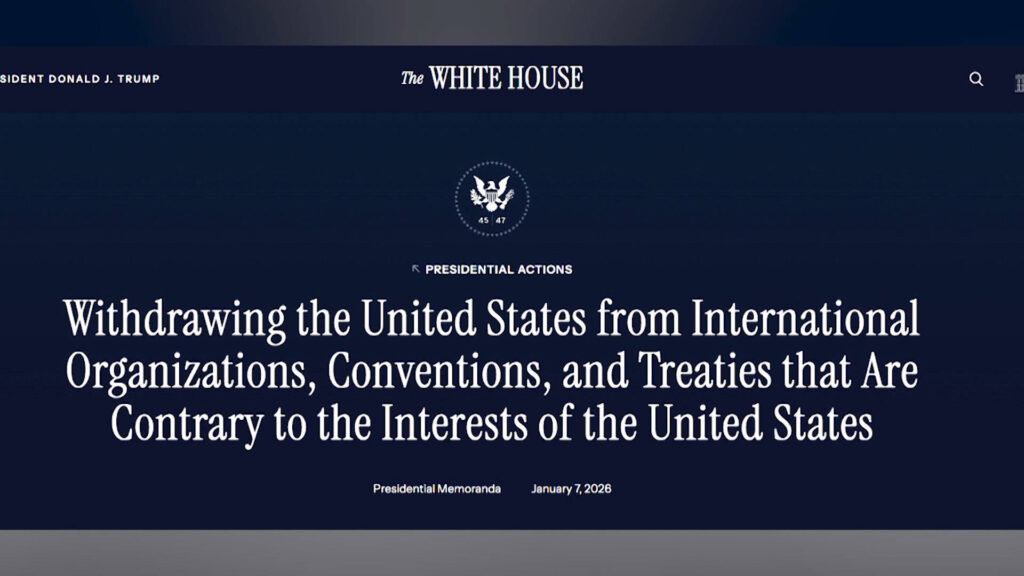
While the scale of the current announcement is notable, U.S. withdrawals or reductions in participation from international organizations are not without precedent. Previous administrations have periodically reassessed involvement in global institutions, citing cost, effectiveness, or policy alignment concerns.
What distinguishes the current move is its breadth, affecting more than 60 organizations across multiple sectors, and its explicit framing as part of a broader recalibration of U.S. global engagement.
Looking Ahead
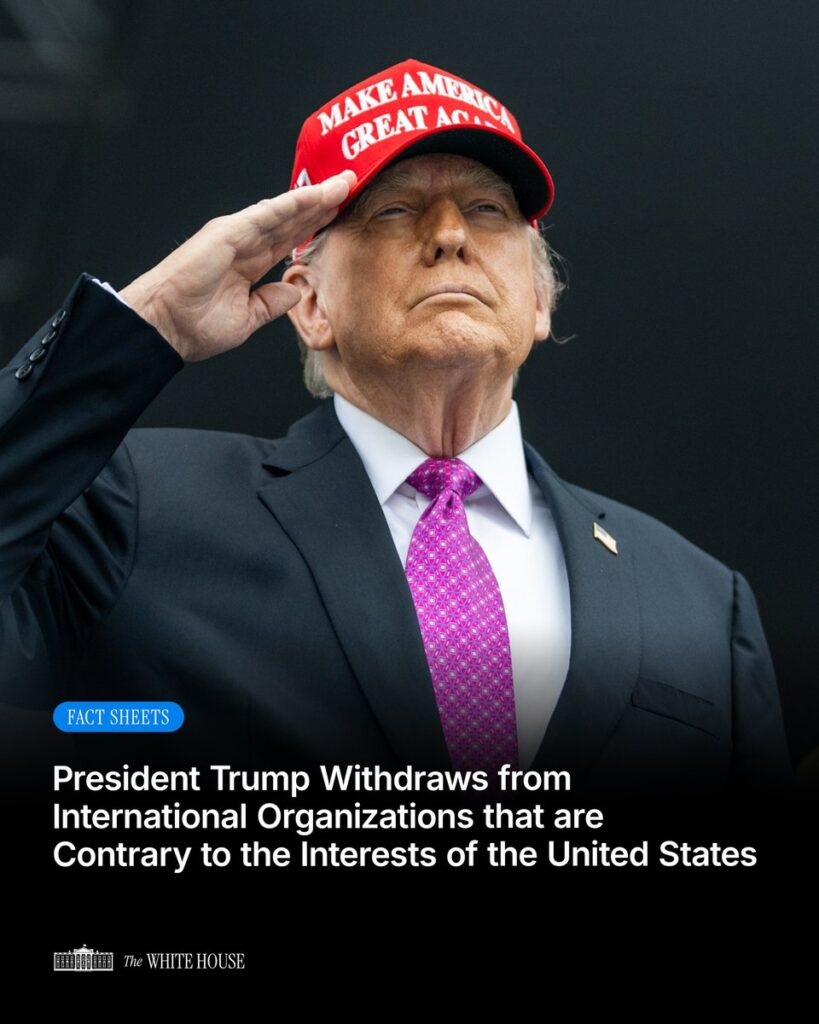
As the policy moves toward implementation, questions remain about how affected organizations will adapt to reduced U.S. involvement and how the United States will maintain diplomatic influence outside traditional multilateral frameworks. Observers note that future administrations may revisit these decisions, depending on evolving foreign policy priorities.
For now, the withdrawals signal a continued shift toward a more selective approach to international cooperation, emphasizing national discretion, fiscal oversight, and domestic policy objectives. The long-term impact on global partnerships, humanitarian efforts, and U.S. diplomatic influence will likely unfold over the coming years.