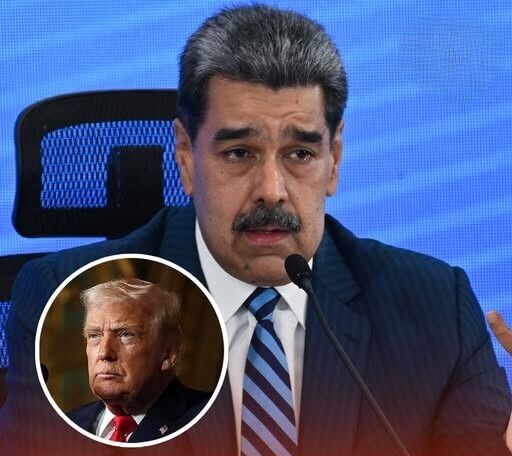
What U.S. Officials Say Happened
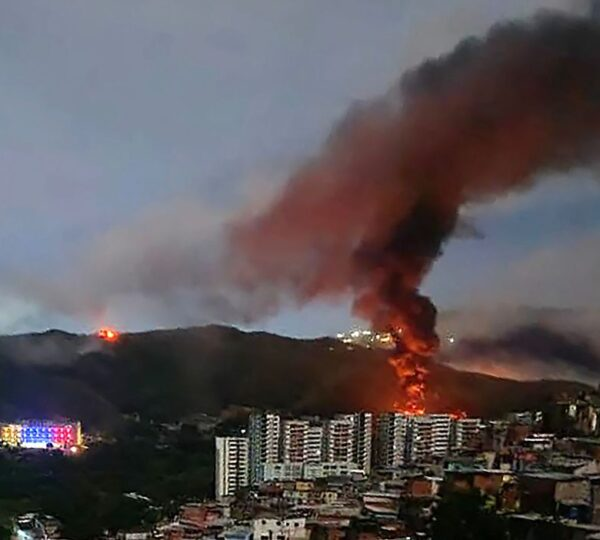
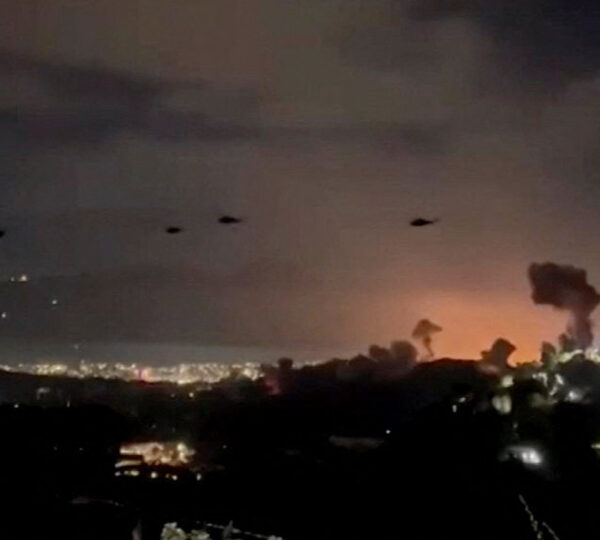
U.S. officials stated that the operation took place in the early hours of January 3, 2026, and involved coordinated military activity and law-enforcement actions. The stated objective, according to U.S. authorities, was to apprehend President Maduro in connection with long-standing criminal allegations brought by American prosecutors.
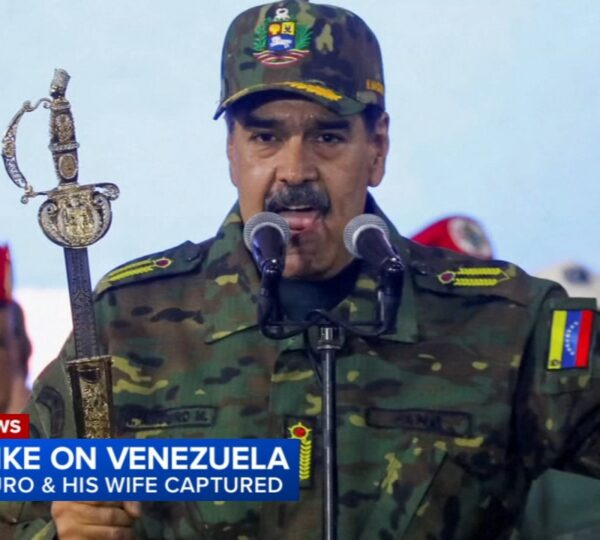
President Donald Trump confirmed on social media that Maduro and Flores had been taken into custody and transported out of Venezuela. U.S. officials said the operation followed years of investigations into alleged drug trafficking and related criminal activity tied to Maduro and individuals close to him.
Reports indicate that the pair were later transferred to the United States, where federal prosecutors are preparing to proceed with court actions.
Criminal Charges Announced
U.S. Attorney General Pam Bondi announced that Maduro has been charged in the U.S. District Court for the Southern District of New York on multiple counts, including conspiracy related to drug trafficking and weapons offenses. Bondi said the charges stem from investigations that began years earlier and involve allegations of coordination with international criminal networks.
Maduro was previously indicted by U.S. authorities in 2020 on similar charges, though he remained in power in Venezuela despite those legal actions. The current case revives and expands upon those earlier indictments, according to the Justice Department.
Details regarding the specific charges against Cilia Flores have not been fully outlined publicly, though U.S. officials confirmed that she is included in the legal proceedings.
Reaction in Venezuela
Venezuelan officials strongly condemned the U.S. action, calling it a violation of national sovereignty. Senior government figures rejected the legitimacy of the operation and disputed U.S. claims regarding Maduro’s status and custody.
Venezuela’s defense leadership accused the United States of unlawful military aggression and announced heightened security measures. Communication from Venezuelan authorities has been limited and, at times, inconsistent, contributing to uncertainty within the country.
International Response
Reactions from the international community have been sharply divided.
Several governments allied with Venezuela, including Russia, Iran, and Cuba, criticized the U.S. operation as a breach of international law. Other countries in Latin America expressed concern about the precedent set by a foreign military action against a sitting head of state, even among governments that have previously criticized Maduro’s leadership.
The European Union and United Nations urged de-escalation and emphasized the importance of respecting international legal frameworks. A United Nations Security Council meeting has been scheduled to discuss the situation.
Legal and Diplomatic Questions
Legal experts note that the use of military force against a sovereign nation without authorization from the United Nations Security Council raises serious legal questions under international law. The U.N. Charter generally restricts the use of force except in cases of self-defense or with international approval.
Within the United States, some lawmakers and constitutional scholars have questioned whether sufficient congressional authorization existed for the operation, pointing to the Constitution’s allocation of war-related powers to Congress.
The U.S. administration has defended its actions as lawful and necessary, citing national security concerns and long-standing criminal investigations.
Conditions on the Ground
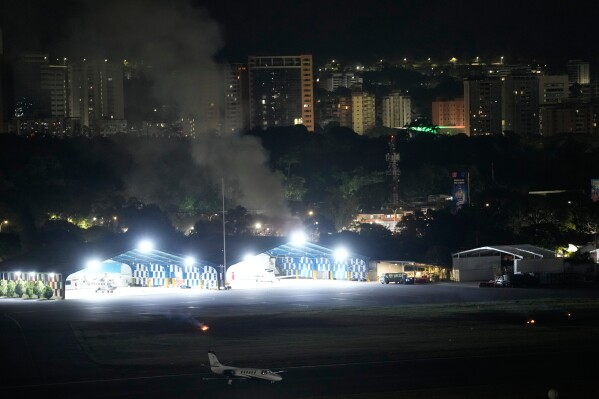
Independent confirmation of damage or casualties in Venezuela remains limited. Reports indicate disruptions near major military installations in Caracas, though details regarding civilian impact have not been independently verified.
U.S. officials have issued advisories urging American citizens in Venezuela to exercise caution amid ongoing uncertainty.
What Comes Next
Maduro and Flores are reported to be in U.S. custody, where federal prosecutors are expected to pursue court proceedings in New York. Legal experts say the case could take months or years to resolve, given its complexity and international implications.
Inside Venezuela, questions remain about governance and political authority. International diplomatic efforts are expected to intensify as global leaders seek to prevent further escalation.
Conclusion
The reported capture and charging of Venezuelan President Nicolás Maduro represents a significant moment in U.S.–Venezuela relations and has far-reaching implications for international law and diplomacy.
As legal proceedings begin and international responses continue to unfold, the situation is likely to remain a focal point of global attention. The outcome may influence not only Venezuela’s political future but also broader discussions about the limits of cross-border enforcement and the role of military force in addressing international crime.