
Reactions from Medical and Advocacy Groups
Healthcare organizations, including the American Academy of Pediatrics and the American Medical Association, have consistently described gender-affirming care as evidence-based and medically appropriate in certain cases. Advocates warn that criminalization could discourage providers from offering care, interfere with doctor-patient relationships, and restrict access to necessary treatment.
Civil rights and LGBTQ advocacy groups also emphasized potential effects on parental rights, privacy, and the wellbeing of transgender youth. Studies indicate that access to gender-affirming care can reduce risks of depression, anxiety, and suicidal ideation among minors.

Legal and Ethical Considerations
Legal experts have noted that the bill raises questions about parental authority and government involvement in healthcare decisions. Opponents argue it could set a precedent for increased federal oversight of family medical choices, while supporters describe it as a safeguard for children.
The legislation has yet to be considered by the Senate, where bipartisan support would be necessary for passage. Analysts suggest it may face challenges in advancing further.
Broader Implications
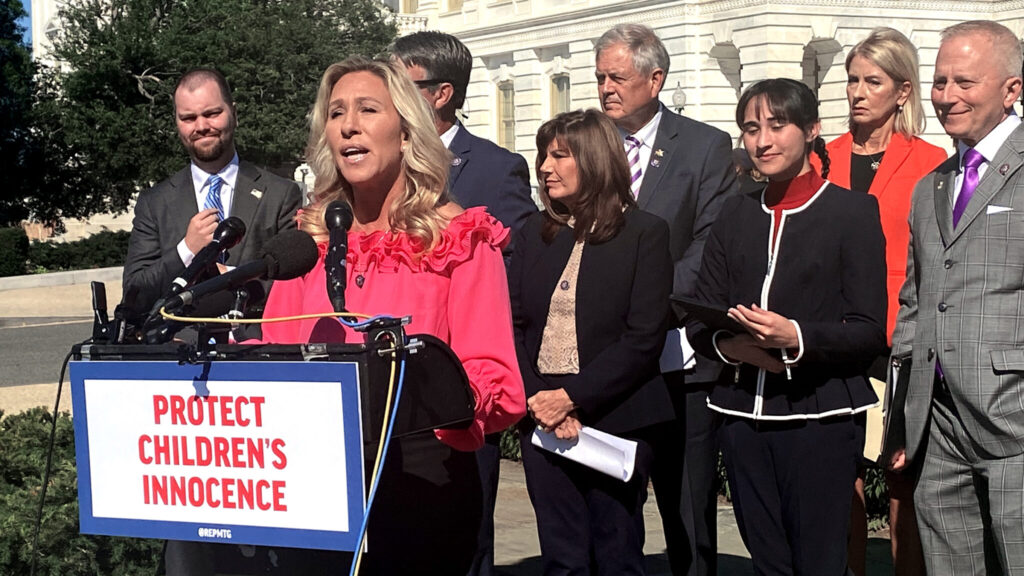
The House debate highlights ongoing national discussions about healthcare access, family decision-making, and the role of government in personal medical choices. The legislation has prompted advocacy groups, medical professionals, and families to engage in public education and dialogue about evidence-based care for transgender youth.

Regardless of its outcome in the Senate, the vote underscores how social and medical issues continue to intersect with policy, partisan dynamics, and public debate in the United States.
 Read Next Story →
Eric Trump Confirmed in New York City Update
More Stories You May Like
See More →
Shocking Verdict Karmelo Anthony Sentenced After Teen Football Star’s Tragic Death… See more

I Gave Up 22 Years of My Life Raising My Triplet Nieces—What They Did at Their College Graduation Changed Everything

Fans Are Mourning the Loss of NASCAR Champion Kurt Busch at 47? The Truth Behind the Shocking Claim
Harlan reads the actual filings, the full statements, the boring documents nobody else opens, and then writes what they say in plain English. He's covered politics through three administrations and has the same rule for all of them: report what happened, say what's confirmed, and don't guess at what's next.
More from Harlan →