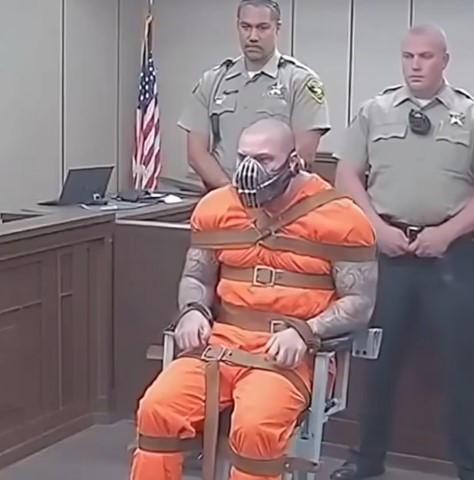
Courtrooms are meant to be spaces of order, authority, and careful procedure. Judges preside with control, lawyers make precise arguments, and proceedings follow strict protocols. At least, that’s how it works in the real world.
Fiction, however, operates by its own rules. Over the years, readers and viewers have been captivated by courtroom scenes so chaotic that characters had to be physically restrained. These moments are often absurd, hilarious, or shocking—showing just how entertaining chaos can be in a space built for control.
Below, we explore some of the most memorable fictional courtroom meltdowns and why they continue to resonate with audiences.
Why Courtrooms Work for Fictional Chaos
Courtrooms represent order. Fiction thrives on disorder. Put the two together, and you create scenes that are inherently funny, tense, or revealing.
- Comedy: When rules collapse, humor emerges naturally.
- Drama: High-stakes pressure magnifies emotional responses.
- Character Development: Extreme reactions reveal inner fears, flaws, or quirks.
- Social Commentary: Fictional chaos can reflect anxieties about justice or authority.
Seven Iconic Fictional Courtroom Meltdowns
1. The Defendant Who Thought Touching the Judge Would Win the Case
In a comedic sketch, a confused defendant believes that physically touching the judge guarantees victory. Sprinting toward the bench with outstretched hands, he’s intercepted just inches away. The humor comes from pure misunderstanding and exaggerated “folk legal logic.”
2. The Hyperactive Defendant Who Couldn’t Sit Still
Another scene features a defendant buzzing with energy, constantly nudging tables and trying to stand. Officers must secure her in restraints, yet she continues to wiggle and fidget. It’s chaotic slapstick but also highlights how tension can push eccentric characters to extremes.
3. The Man Who Tried to Bite a Guard… and the Microphone
A frustrated character literally follows instructions wrong, first leaning toward a guard, then attempting to bite the microphone. The result is a hilarious misunderstanding amplified by the formal courtroom setting.
4. The Character Who Headbutted the Plexiglass Divider
In this scene, a furious character blames the plexiglass for his frustration and repeatedly slams his forehead into it. Even restrained, he continues “air headbutts,” blending interpretive performance with sheer chaos.
5. The Woman Who Tried to Tip the Witness Stand
Fed up with questioning, a character attempts to physically tip the witness stand. Officers intervene immediately, preventing any real harm. The scene parodies intense courtroom drama and becomes memorable for its absurdity rather than danger.
6. The Character Who Crawled Like a Ninja
In a moment of tension, a character collapses to the floor and crawls forward while whispering, “You can’t stop me—I’m in snake mode.” Court officers gently return him to his seat, creating a surreal but comedic scene.
7. The Man Who Tried to Throw His Chair
In a verdict meltdown, a restrained character attempts to lift and throw his chair. Instead, he tips over like a flailing turtle. The absurdity of the attempt turns a potentially dangerous act into comedy.
Why We Love These Scenes
Even when exaggerated or unrealistic, these meltdowns reveal key storytelling insights:
- Comedy Through Contrast: Order versus chaos is inherently funny.
- Pressure Triggers Extreme Behavior: High stakes make fictional reactions explosive.
- Character Vulnerability: Meltdowns expose panic, fear, or eccentricity.
- Safe Exploration of Chaos: Audiences enjoy disorder without real-world consequences.
- Highlighting the Importance of Order: Fictional chaos reminds us why real courtrooms rely on structure.
The Real Heroes: Calm Court Officers
Bailiffs and court officers are often portrayed as unshakable anchors amid absurdity. Their calm, patient presence amplifies the comedic or dramatic effect of the chaos around them.
Conclusion: Fiction Lets Us Explore Chaos Safely
Fictional courtroom meltdowns—sprinting defendants, crawling ninjas, tipping furniture—are storytelling tools. They let us laugh at disorder, explore emotional extremes, and enjoy absurdity from a safe distance.
While real courts depend on respect, procedure, and structure, fictional courts remind us why these rules matter—and why chaos, when exaggerated, is endlessly entertaining.