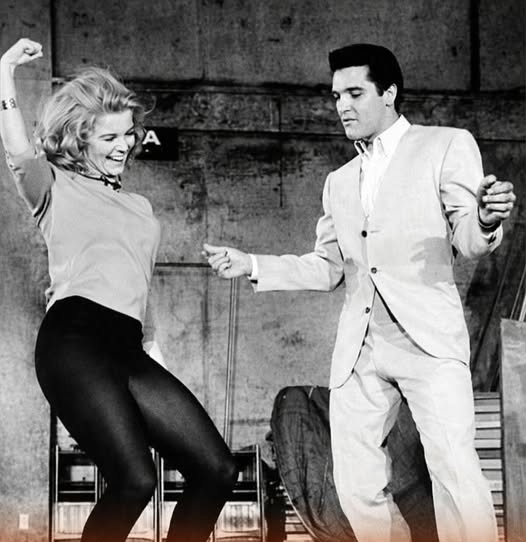
Presley plays Lucky Jackson, a determined race car driver, while Ann-Margret portrays Rusty Martin, a lively dancer who quickly captures his attention. Although the plot is straightforward, it provides a framework for memorable musical numbers, romantic tension, and light comedy. The duet “The Lady Loves Me” remains one of the film’s most beloved sequences, showcasing playful lyrics, dynamic choreography, and the undeniable chemistry between the stars.
Behind the Scenes
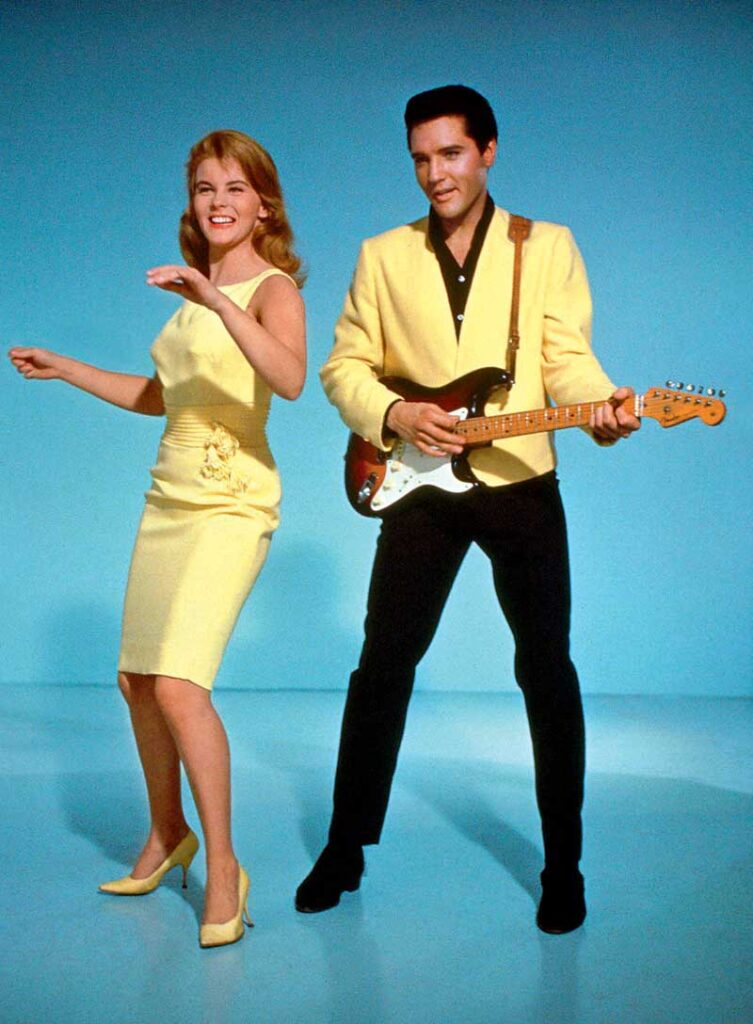
Ann-Margret, only 22 at the time, was already gaining recognition as a rising Hollywood talent. Her presence on set added energy and charisma, which occasionally prompted the studio to adjust camera angles and scenes to highlight her performance. Presley reportedly had some frustrations with this, but both maintained professionalism and delivered polished, engaging performances.
Despite mixed critical reviews at the time, Viva Las Vegas became Presley’s highest-grossing film, surpassing even Blue Hawaii. Its short runtime of 85 minutes kept audiences entertained and contributed to its lasting appeal.
Las Vegas as a Character
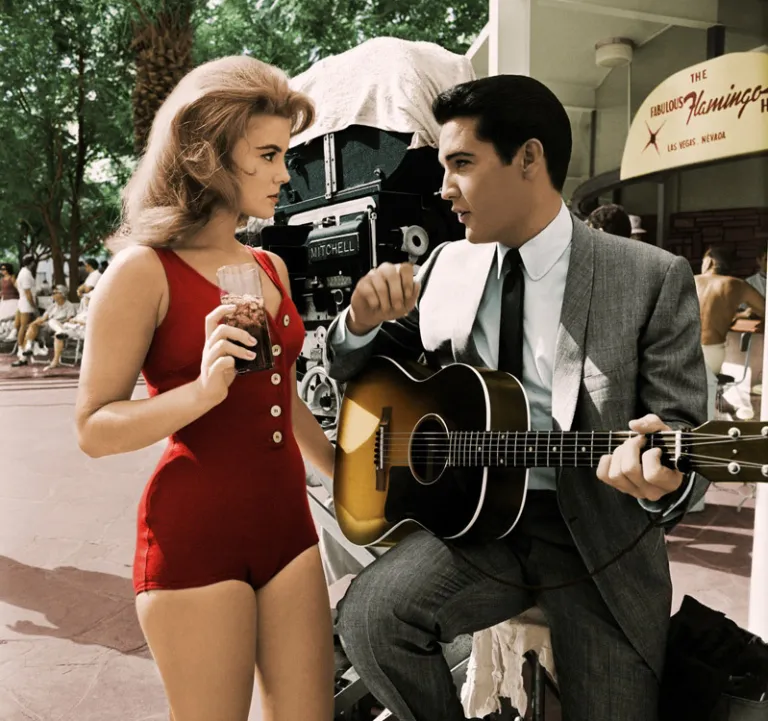
The film makes extensive use of real Las Vegas locations, capturing casinos, hotels, and racetracks that offer a rare glimpse into the city during the 1960s. This authenticity, combined with vibrant costumes, choreography, and music, creates a visually engaging experience that has stood the test of time.
Musical Highlights
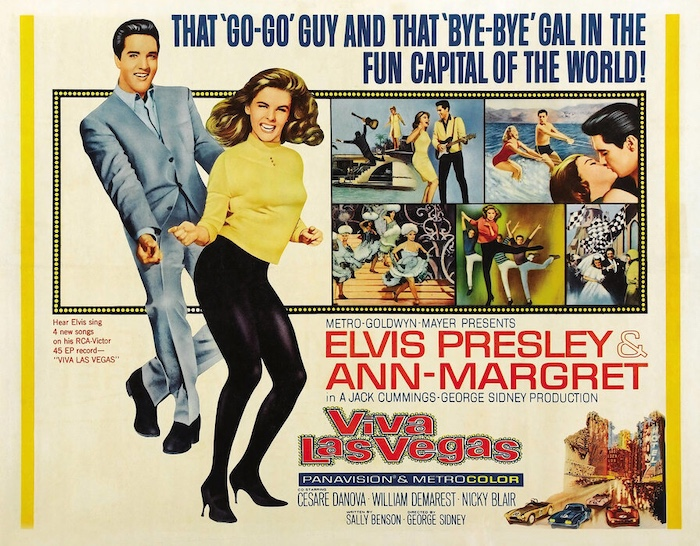
The soundtrack of Viva Las Vegas remains a defining element of the film. Songs like the title track and “The Lady Loves Me” helped cement Presley’s legacy, while Ann-Margret’s dance sequences brought energy and flair. Contributions from other notable musicians, including a guest appearance by Glen Campbell, added depth and historic interest to the music.
Professionalism and Collaboration
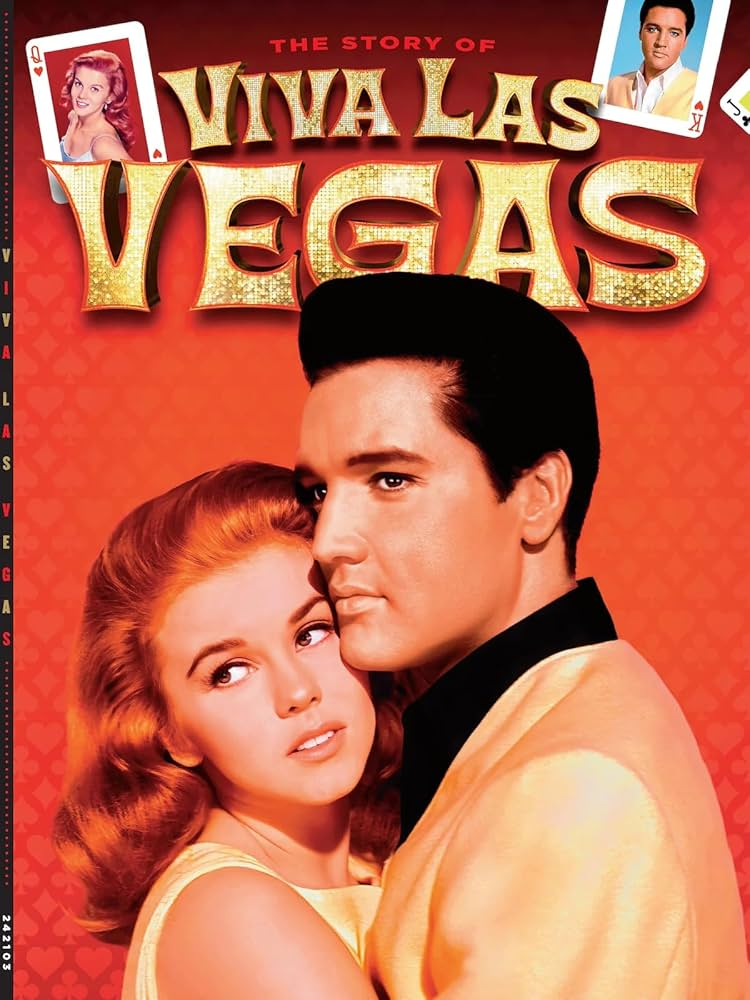
Presley and Ann-Margret developed a strong working relationship. Presley encouraged improvisation, allowing Ann-Margret to explore her character’s personality, while he remained focused on delivering his musical and physical performances. Their professionalism ensured that both scripted and spontaneous moments felt natural on screen.
Despite media speculation about Presley’s personal life, both actors navigated public attention carefully, prioritizing the film’s production and maintaining mutual respect. This behind-the-scenes collaboration contributed to the film’s enduring charm and memorability.
Legacy
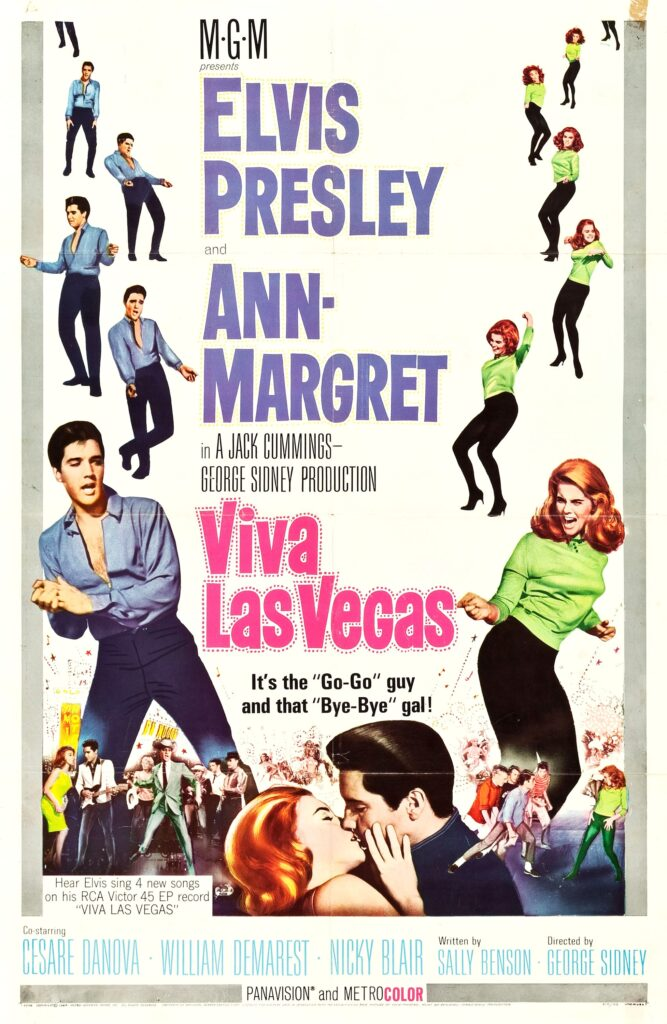
Viva Las Vegas is more than a musical; it is a snapshot of mid-1960s Las Vegas, a showcase of star power, and a testament to on-screen chemistry. Presley’s charisma, Ann-Margret’s energy, and the skilled production team ensured that the film would continue to entertain and inspire audiences.
Decades later, the movie remains celebrated for its music, dance sequences, and the enduring appeal of its leads. Viva Las Vegas offers both entertainment and historical insight, demonstrating how talent, creativity, and collaboration can create a timeless cinematic experience.