 News
Walmart Shoppers: Smart Tips to Know Before Your Next Visit
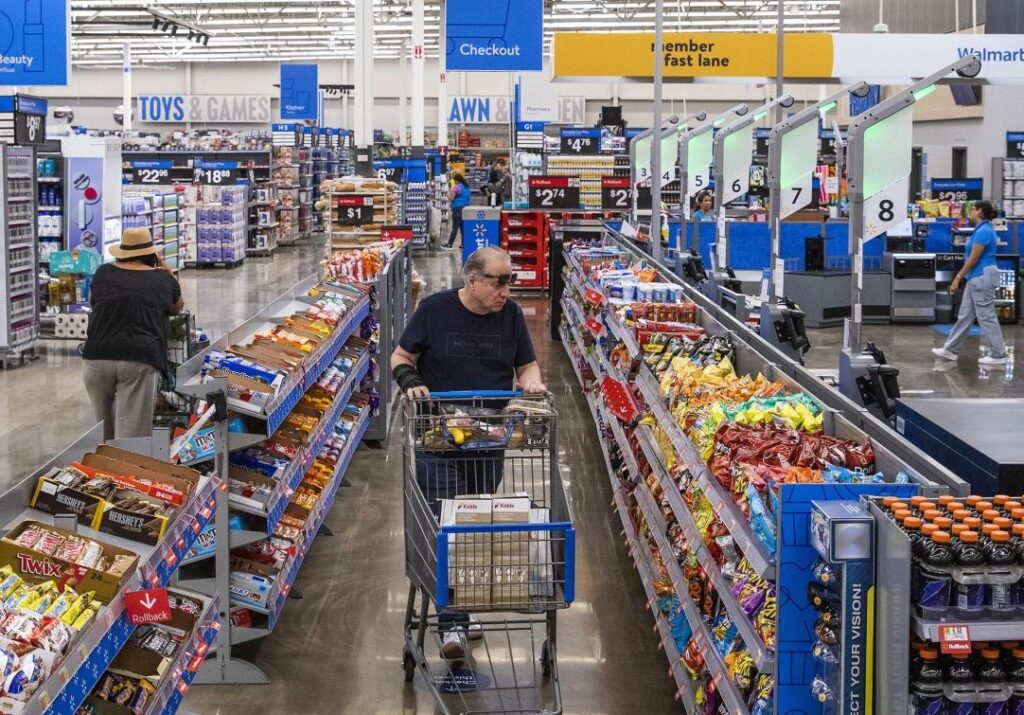
For decades, Walmart has been the heartbeat of American retail—a place built on convenience, affordability, and familiarity. Millions of shoppers rely on it every week for groceries, household essentials, and everything in between. But in recent years, one major change at the checkout line has quietly reshaped the shopping experience—and not everyone has been happy about it.
Self-checkout was once promoted as the future. Faster lines. More control. Less waiting. At first, the idea worked. Shoppers grabbing a few items could breeze through, and Walmart could handle more transactions with fewer staff. It felt efficient, modern, and inevitable.
Then reality set in.
Frozen screens. Misread barcodes. Endless alerts warning of “unexpected items.” What was meant to save time often did the opposite. Customers stood awkwardly with full carts, waiting for an attendant to reset the machine. Parents juggling kids and groceries grew frustrated. Older shoppers felt pushed aside by technology they never asked for. The checkout lane—once a simple final step—became a stress point.
Online, complaints piled up. Social media filled with stories of malfunctioning kiosks, long delays, and the disappearance of cashiers who used to offer a smile or a quick conversation. The promise of convenience began to feel hollow.
When Efficiency Backfires
Behind the scenes, Walmart noticed the shift. While self-checkout reduced payroll costs, it introduced new problems. Customer satisfaction dipped. And more concerning—inventory loss climbed.
Retailers call it “shrinkage,” and self-checkout made it easier. Some errors were accidental. Others weren’t. Missed scans, skipped items, and confusion at the machines all added up. Industry data showed that automation came with hidden costs.
As one retail manager put it bluntly: replacing cashiers with cameras doesn’t always work.
So Walmart adjusted course.
Instead of going all-in on automation, the company began quietly restoring staffed checkout lanes in many locations. The new strategy isn’t about removing technology—it’s about balance. A hybrid model gives shoppers a choice: quick self-checkout for small purchases, or human cashiers for larger carts and those who prefer personal service.
A Shift Happening Nationwide
Walmart isn’t alone. Across the retail industry, major chains are rethinking the automation-first mindset of the last decade. Studies show that while customers appreciate speed, they also value reassurance and human interaction.
 Up Next: Page 2 of 2
Recent consumer research found that a majority of shoppers feel more comfortable...
Experts call it “automation fatigue.” After years of scanning, tapping, assembling, and troubleshooting everything ourselves, people are craving simplicity—and connection.
Continue Reading