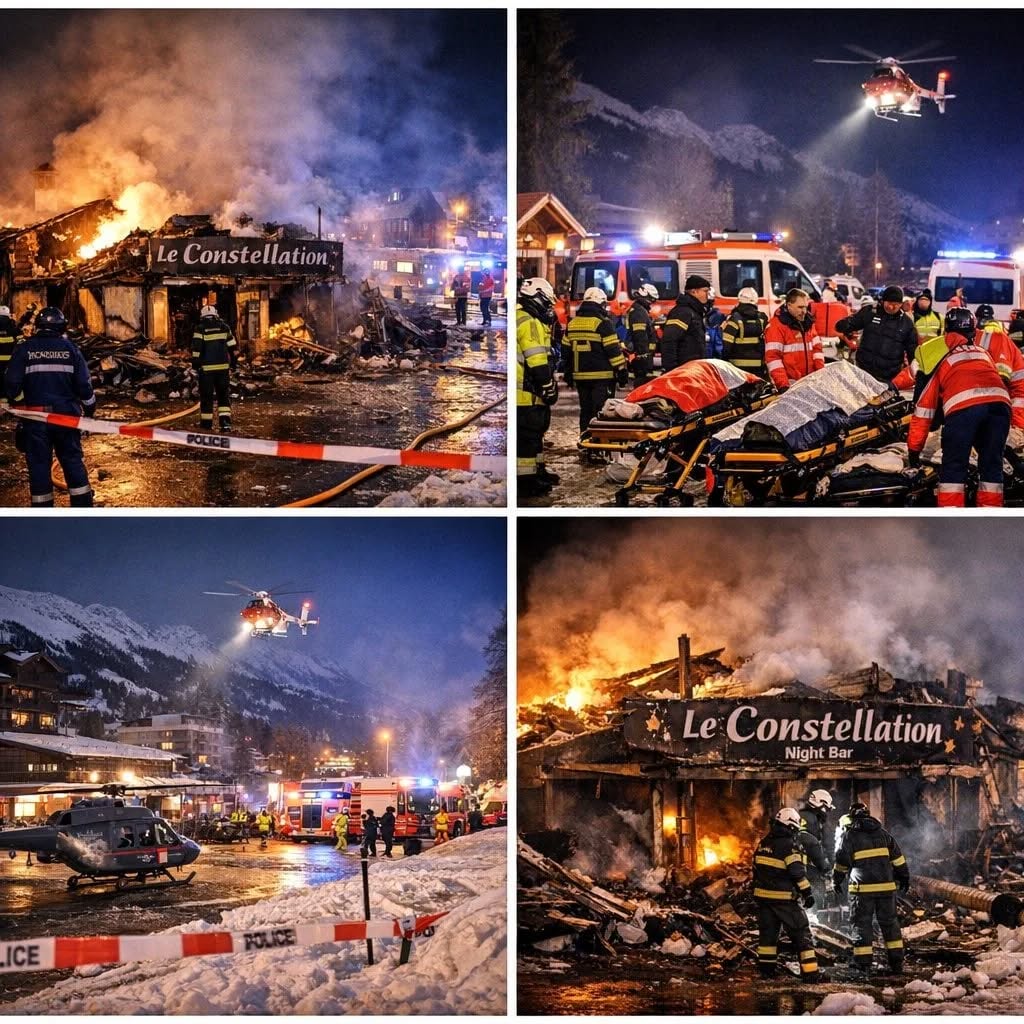
Crans-Montana, long synonymous with luxury ski vacations and high-end nightlife, was forever changed. Charred walls and twisted metal replaced glossy marketing images. The question lingered: how could a night so meticulously planned end in such preventable devastation?
Investigators combed the wreckage methodically—fire systems, electrical wiring, emergency exits, occupancy limits, ventilation, crowd control. Catastrophes like this rarely hinge on a single spark; they result from chains of small failures compounding until disaster is unavoidable. Experts emphasize that nightclubs and event venues are high-risk environments: low light, loud music, dense crowds, alcohol, and unfamiliar layouts make every second critical. When fire ignites, panic spreads faster than flames. Building codes, fire-resistant materials, alarms, and clearly marked exits aren’t optional—they save lives.
For survivors, the trauma extends beyond the physical. Flashbacks, nightmares, and survivor’s guilt are common. Mental health support has been mobilized, but healing will take years. Families of the deceased endure a different pain: empty chairs, unanswered calls, a New Year’s countdown frozen forever at the moment their loved ones didn’t return. In resort towns and tight-knit communities alike, grief ripples outward, touching workers, tourists, residents, and first responders, leaving celebrations forever shadowed.
The tragedy has reignited debates over public safety, emergency preparedness, and accountability in the hospitality and entertainment sectors. Regulatory oversight, enforcement gaps, and profit-driven compromises are under scrutiny. High-end destinations are learning a stark lesson: luxury does not equal safety unless rigorously maintained. Legal actions are expected—civil suits, criminal investigations, insurance reviews, regulatory audits. Justice may move slowly, but it is part of understanding what went wrong.
Globally, this incident joins a grim list of nightclub fires that have reshaped safety standards. History shows reform often follows tragedy—but only if lessons are learned and enforced. Memorials and condolences are essential, but so is investment in safety and strict adherence to regulations.
For Crans-Montana, rebuilding trust will be a long road. Tourism relies on the belief that visitors are safe while they relax and celebrate. Transparency, accountability, and visible safety measures are essential to restore confidence.
For survivors, life is divided into before and after. For the victims, time ended in smoke and chaos. For everyone touched by that night, New Year’s Eve will never again be simple—it is now a stark reminder of how quickly joy can turn to grief, how fragile safety can be, and how silence can follow the loudest countdown.
Have you ever experienced a moment that changed your sense of safety in an instant? Share your story and join the conversation on the importance of preparedness and vigilance.