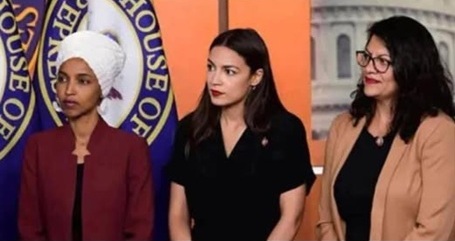
Arizona’s Special Congressional Primary: Digital Reach vs. Local Roots

In Arizona’s 7th Congressional District, a special Democratic primary was held in July 2025 following the death of longtime Representative Raúl Grijalva. The race attracted national attention because it featured two candidates with distinct approaches to progressive politics.
Deja Foxx and a Digital-First Campaign
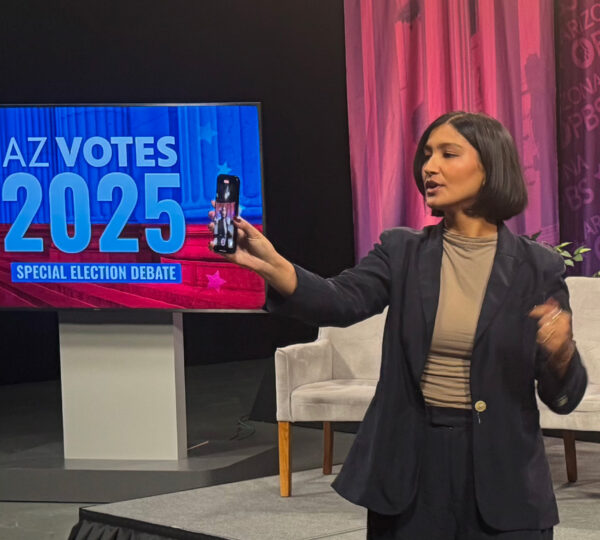
Deja Foxx, a nationally known activist and content creator, entered the race with a significant online following and widespread recognition beyond the district. She gained prominence years earlier through advocacy on reproductive health issues and became well known for viral political moments shared across social media platforms.
Foxx’s campaign emphasized storytelling, online engagement, and small-donor fundraising. Her supporters viewed her candidacy as reflective of generational change and a new way of connecting with voters through digital platforms.
While her campaign attracted attention and enthusiasm online, much of that engagement came from supporters outside the district who were not eligible to vote in the election.
Adelita Grijalva and Community-Based Support
Running against Foxx was Adelita Grijalva, a former Pima County Supervisor and daughter of the late congressman. Grijalva brought decades of experience in local government and long-standing relationships within the district.
Her campaign focused on policy continuity, community involvement, and local priorities such as education, workers’ rights, and immigration advocacy. She also received endorsements from prominent progressive leaders and local organizations familiar with her record.
Election Results and Key Takeaways
When votes were counted, Grijalva won the primary by a wide margin. Political analysts noted that while Foxx’s campaign generated strong national interest, Grijalva’s deep connections with local voters and established trust played a decisive role.
The result underscored a recurring theme in elections: online engagement alone is often insufficient without consistent, district-level organizing and voter contact.
New York City’s Mayoral Race: Grassroots Organizing at Scale

In contrast, the 2025 New York City mayoral election demonstrated how extensive grassroots organizing can translate into electoral success.
Zohran Mamdani’s Path to Victory
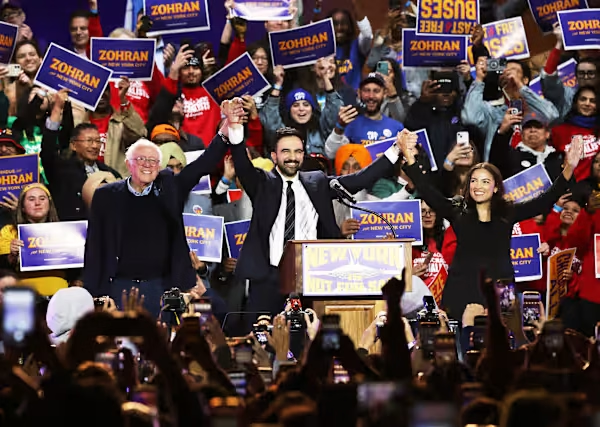
Zohran Mamdani, a state assembly member and longtime community organizer, won the Democratic nomination and later the general election for mayor of New York City in November 2025. His campaign centered on issues such as housing affordability, transit access, and cost-of-living concerns.
Mamdani’s success was driven by a large volunteer network, sustained neighborhood outreach, and consistent in-person engagement across the city’s boroughs. Supporters emphasized that his campaign prioritized direct conversations with voters, community meetings, and policy-focused messaging.
A Historic Outcome
Mamdani’s election was notable for several reasons. He became the city’s first Muslim and first South Asian mayor, as well as one of the youngest individuals elected to the office in more than a century. Observers noted that his victory reflected not just broad ideological appeal, but years of community involvement and organized voter outreach.
Comparing the Two Approaches
Digital Visibility vs. Field Operations
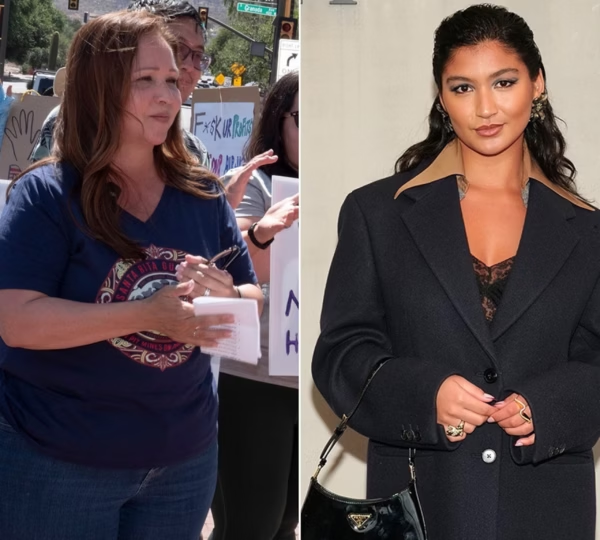
The Arizona and New York races illustrate different uses of modern political tools. Social media and online fundraising can amplify a campaign’s message, but they tend to be most effective when paired with strong local organizing.
In Arizona, digital attention did not compensate for limited on-the-ground infrastructure. In New York, digital tools complemented — rather than replaced — an expansive field operation.
The Importance of Local Trust
In both races, voters gravitated toward candidates they viewed as deeply connected to their communities. Familiarity, demonstrated service, and consistent engagement proved influential, regardless of age or ideological positioning.
Progressive Politics Is Context-Driven
The outcomes also showed that progressive platforms are not one-size-fits-all. Voters responded less to labels and more to candidates’ ability to address local concerns with practical solutions and sustained involvement.