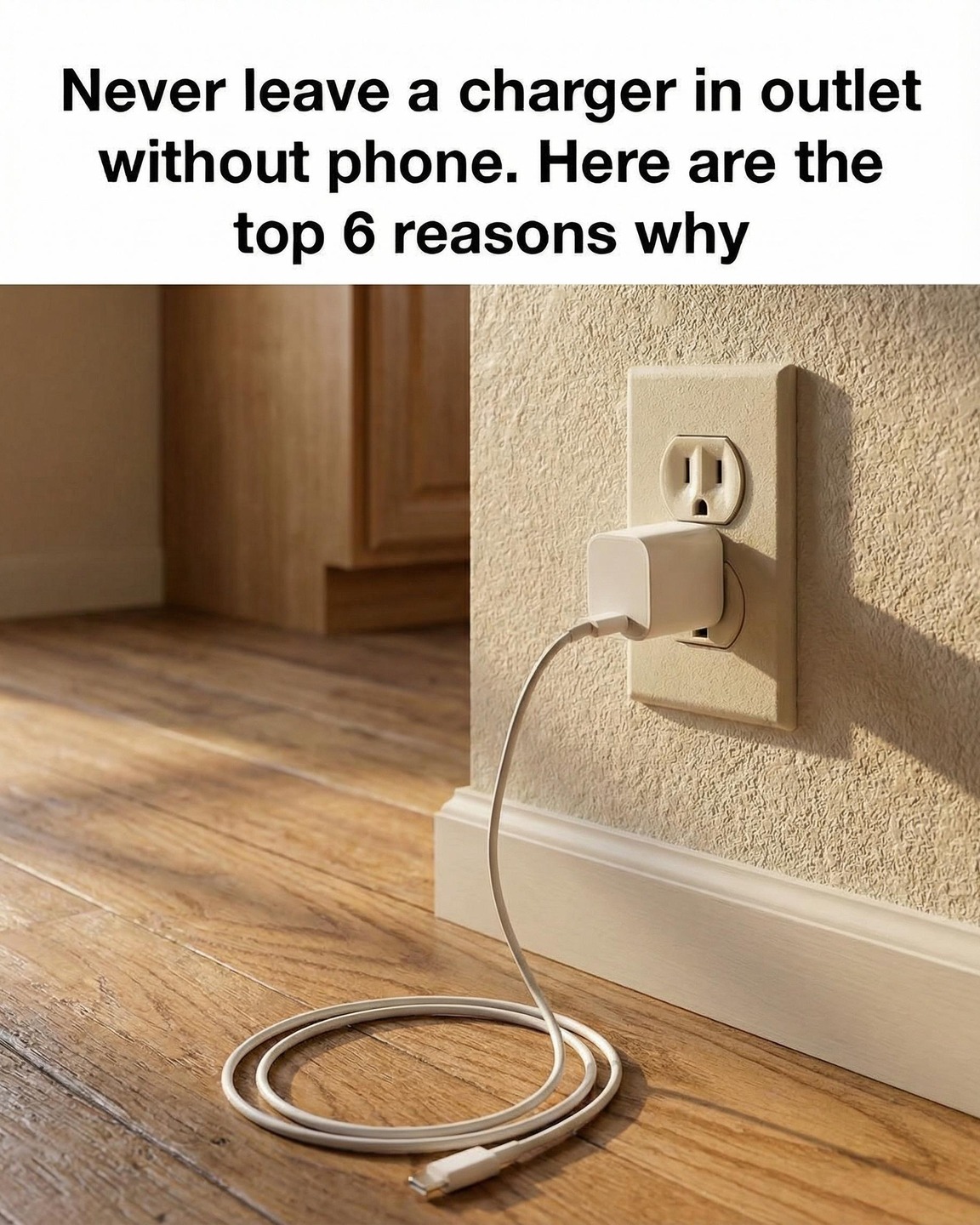
Another factor is exposure to electrical surges. Sudden spikes in electricity can happen during storms, power outages, or fluctuations in the electrical grid. A charger left plugged in during such events can be damaged instantly, and in some cases, pass that surge on to connected devices. Unplugging chargers when they’re not in use provides a simple layer of protection against unpredictable electrical events.
Over time, continuous connection to power also shortens a charger’s lifespan. Internal components experience constant minor stress and temperature changes, which gradually degrade their performance. Allowing chargers to fully power down by unplugging them when not needed gives those components a break, helping the adapter last longer and reducing how often replacements are necessary.
These habits also have an environmental impact. Lower energy consumption reduces overall demand on power generation, which in turn helps lower emissions. Extending the life of chargers means fewer discarded electronics, helping address the growing problem of electronic waste. Every small effort to reduce unnecessary use contributes to more responsible resource management.
Finally, the convenience of leaving chargers plugged in can create a false sense of efficiency. It encourages people to overlook small but meaningful opportunities to conserve energy and improve safety. Taking a moment to unplug a charger reinforces awareness of daily energy use and often leads to more thoughtful habits in other areas of life.
Although leaving a charger plugged in may seem insignificant, the long-term effects include wasted energy, higher costs, increased safety risks, and unnecessary environmental strain. Simple practices like unplugging adapters when they aren’t actively in use, choosing reliable accessories, and handling them carefully can make homes and workplaces safer, more efficient, and more sustainable.