 Home & Living
You Cut Open a Watermelon and Saw Cracks?
Stop Eating It Immediately! Here’s What It Really Means
Engaging Introduction
You picked the perfect watermelon. It was heavy for its size. It had a creamy yellow spot on the bottom. It sounded hollow when you tapped it. You brought it home with pride, imagining the sweet, juicy slices you'd share with your family.
Then you cut it open.
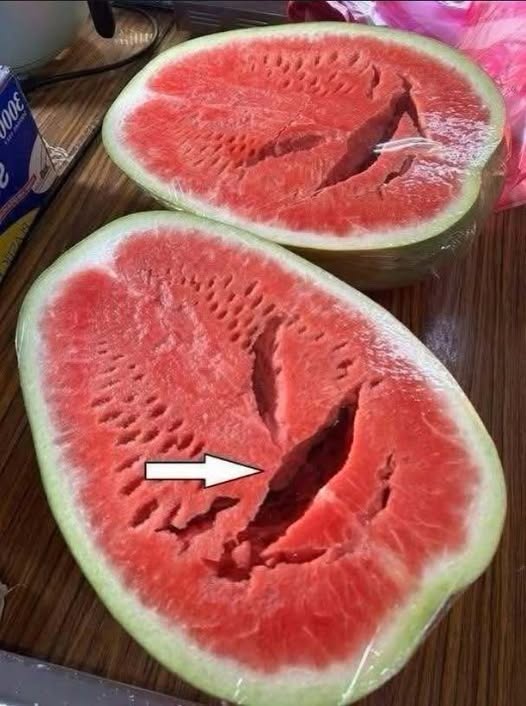
Instead of the firm, uniform red flesh you expected, you saw cracks. Grooves. Hollow spaces. A loose, almost spongy texture that looked nothing like the watermelons you remembered from childhood.
You might think it's overripe. You might think it's a natural defect. You might shrug and eat it anyway.
Stop. Don't eat it.
A watermelon with cracks, grooves, or a loose, spongy interior isn't just an aesthetic issue—it can be a signal that something isn't right.
Did you know that internal cracks, cavities, or unusual texture in watermelon flesh may indicate more than just overripeness? In some cases, these changes can signal the use of chemical growth regulators, improper storage, or conditions that affect both quality and safety.
 Up Next: Page 2 of 2
Let's explore what cracked watermelon flesh really means, the science behind growth...
A watermelon with internal cracks, hollow spaces, or a loose, spongy texture may have been treated with a chemical growth regulator called...
Continue Reading