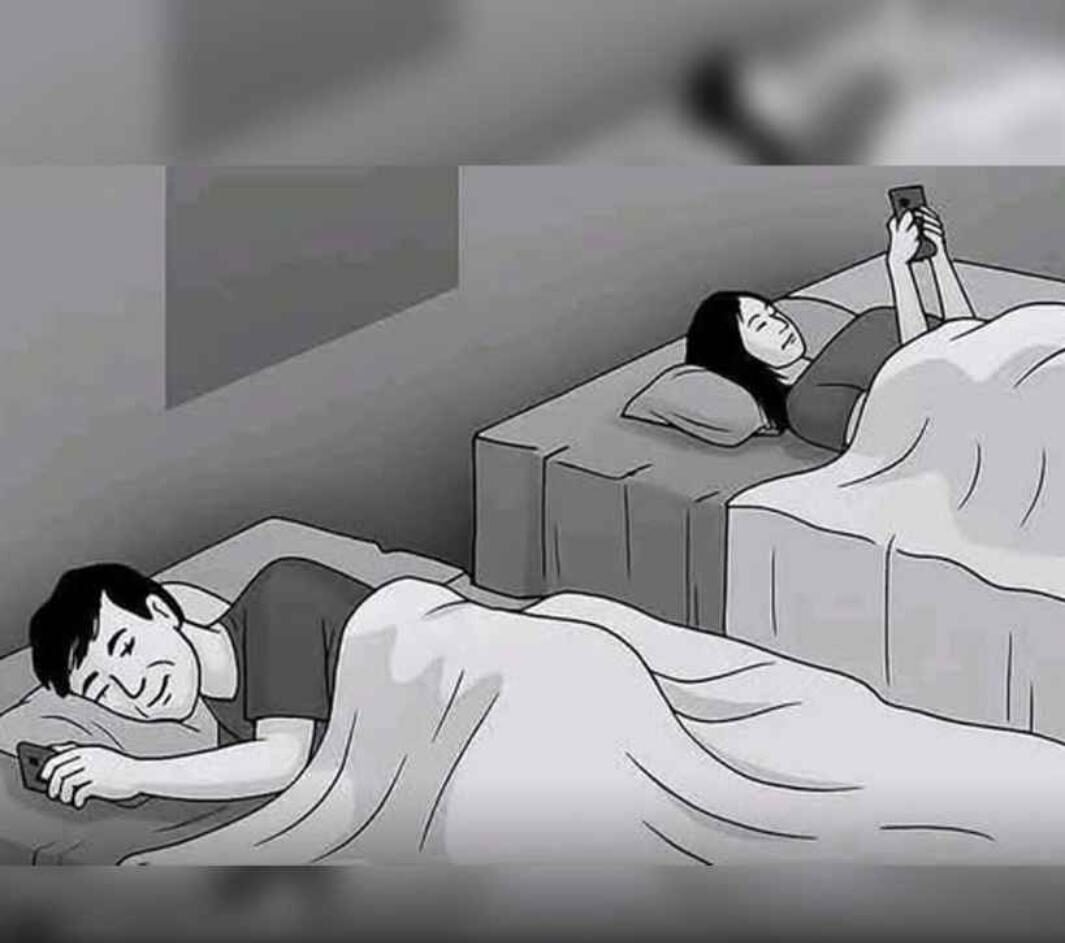
Couple dynamics evolve over time, and one of the most surprising changes often occurs after the age of 50: many couples start choosing to sleep in separate beds. While this may sound unusual or even alarming to some, the reality is that sleeping apart can be a practical and even healthy choice. Far from signaling distance or discord, it can reflect a couple’s adaptability, respect for personal needs, and focus on maintaining a strong, harmonious relationship.
Why Couples Choose Separate Beds
Changing Sleep Patterns: One of the biggest reasons couples sleep separately as they age is the natural shift in sleep needs. As we get older, some people may become early risers while others stay up late. Conditions like insomnia or sleep apnea also become more common with age, affecting both the quality and duration of sleep. When one partner tosses and turns all night or snores loudly, it can prevent the other from achieving restorative rest. Separate beds—or even separate bedrooms—allow both partners to sleep deeply and wake up refreshed, which can reduce irritability, tension, and arguments.
Individual Routines and Personal Space: Beyond biological changes, modern life introduces new evening routines. Mobile devices, streaming shows, and late-night reading often mean that partners have different schedules or entertainment preferences. Sharing a bed while one person scrolls social media or watches a series can disrupt sleep and create subtle friction. Sleeping apart gives each partner the freedom to relax in their preferred way, without sacrificing the other’s comfort or rest.
Health and Comfort Considerations: Age can bring physical changes that affect sleep. Back pain, joint stiffness, or general discomfort may make it difficult for couples to share a mattress comfortably. Choosing separate beds—or mattresses with individualized settings—can help alleviate discomfort while still allowing closeness when desired. Some couples even invest in split mattresses or adjustable beds, which let each person control firmness, elevation, or temperature independently.
Continue reading on next page…