For some people, this can be comfortable and may reduce pressure on certain joints.
There is a catch, though.
For some people, sleeping flat on the back can worsen snoring or symptoms of obstructive sleep apnea. It can also aggravate heartburn for some individuals.
So a position that feels perfectly comfortable isn't necessarily ideal for everyone.
And Then There's Stomach Sleeping
Sleeping on your stomach is another common variation, although it is generally less popular than side or back sleeping.
The main challenge is that keeping your head turned to one side for long periods can place additional strain on the neck. Stomach sleeping can also make it harder to maintain comfortable spinal alignment.
That doesn't mean everyone who sleeps on their stomach needs to change immediately.
If you wake up comfortable and well-rested, your preferred position may simply work for you. Persistent pain or other symptoms are a different matter.
Does Sleeping Position Reveal Your Personality?
This is where popular articles sometimes go too far.
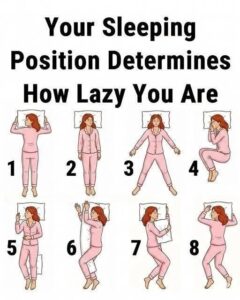
You may have seen claims that people who sleep in one particular position are naturally confident, while people who curl up are supposedly more sensitive or those who stretch out are more independent.
These descriptions can be entertaining.
But they shouldn't be treated as scientific personality assessments.
A person's sleep posture can be influenced by physical comfort, habits, health, bedding, and environmental factors. There isn't enough evidence to use someone's sleeping position as a reliable way to determine their personality.
Your Pillow and Mattress Matter Too
Sometimes the position isn't the real issue.
Your pillow affects how your head and neck are supported. Your mattress also influences how your body is positioned and where pressure is placed.
 Up Next: Page 3 of 3
A pillow that is too high or too low may leave your...
Small changes to your sleep setup can therefore make a noticeable difference.
Continue Reading