 US Politics
 Ten U.S. Presidents Frequently Criticized by Historians
The presidency of the United States carries immense responsibility. Decisions made in the Oval Office have influenced wars, economic stability, civil rights, and the nation’s role in the world. While many presidents are remembered for effective leadership and lasting achievements, others are more often associated with controversy, missed opportunities, or decisions that produced negative long-term consequences.
Assessing presidential performance is complex and inherently shaped by historical context. Scholars typically evaluate presidents based on leadership during crises, economic management, respect for democratic institutions, and the lasting impact of their policies. While opinions vary, certain presidents consistently rank lower in historical surveys and academic analyses.
This article examines ten U.S. presidents who are frequently cited by historians as among the most controversial or least effective, based on documented outcomes and scholarly research rather than contemporary political debate.
Andrew Johnson (1865–1869)
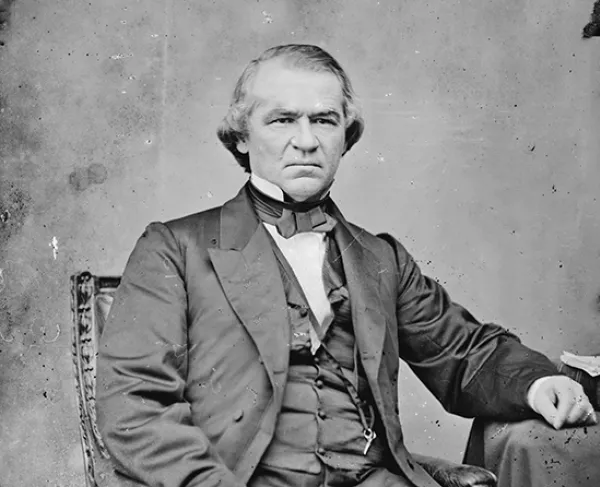
Andrew Johnson assumed the presidency after the assassination of Abraham Lincoln, during the turbulent period following the Civil War. His administration was responsible for overseeing Reconstruction, a process intended to reunite the nation and address the rights of formerly enslaved people.
Johnson clashed repeatedly with Congress, opposing legislation aimed at expanding civil rights and protecting African Americans in the South. His lenient policies toward former Confederate leaders allowed many to regain political influence quickly. These conflicts culminated in his impeachment in 1868, though he narrowly avoided removal from office. Many historians argue that Johnson’s approach slowed progress toward racial equality and weakened Reconstruction efforts.
James Buchanan (1857–1861)
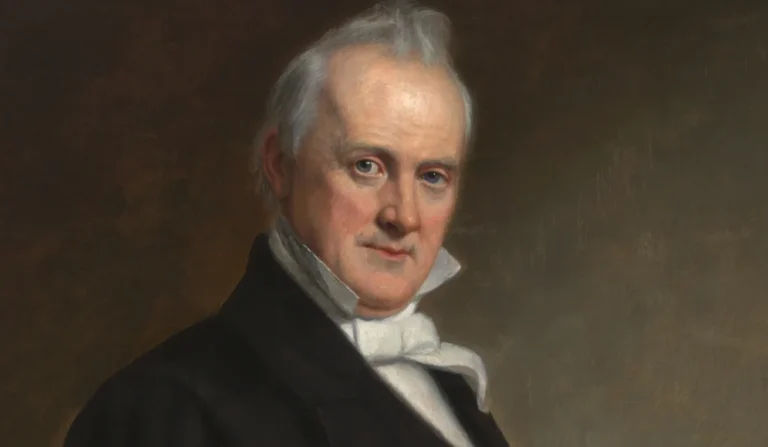
James Buchanan served during the years immediately preceding the Civil War. His presidency is often criticized for failing to address escalating tensions over slavery and sectional division.
 Up Next: Page 2 of 4
Buchanan believed that compromise and limited federal involvement would preserve national unity....
Herbert Hoover’s presidency coincided with the onset of the Great Depression. Although he had a strong background in public service, his response...
Continue Reading