Buchanan believed that compromise and limited federal involvement would preserve national unity. However, his reluctance to act decisively as Southern states moved toward secession left the nation unprepared for conflict. Historians frequently rank Buchanan among the least effective presidents due to his inability to manage the crisis that ultimately led to war.
Herbert Hoover (1929–1933)
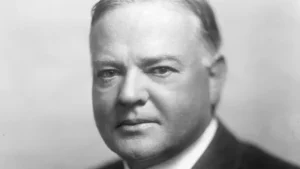
Herbert Hoover’s presidency coincided with the onset of the Great Depression. Although he had a strong background in public service, his response to the economic collapse has been widely debated.
Hoover favored limited federal intervention and relied on voluntary cooperation from businesses and local governments. As economic conditions worsened, unemployment rose sharply and financial institutions failed. While historians acknowledge that the Depression had global causes, many conclude that Hoover’s policies and communication style contributed to public dissatisfaction and economic instability.
Richard Nixon (1969–1974)
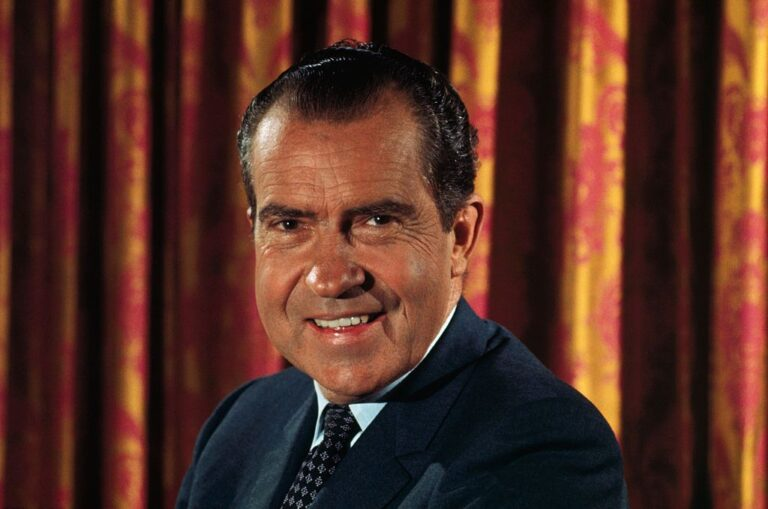
Richard Nixon achieved significant foreign policy successes, including improving relations with China and negotiating arms control agreements with the Soviet Union. However, his presidency is overshadowed by the Watergate scandal.
Investigations revealed abuses of power and efforts to obstruct justice, ultimately leading Nixon to resign in 1974. Historians often cite the erosion of public trust and the constitutional crisis created by Watergate as defining features of his legacy.
Andrew Jackson (1829–1837)
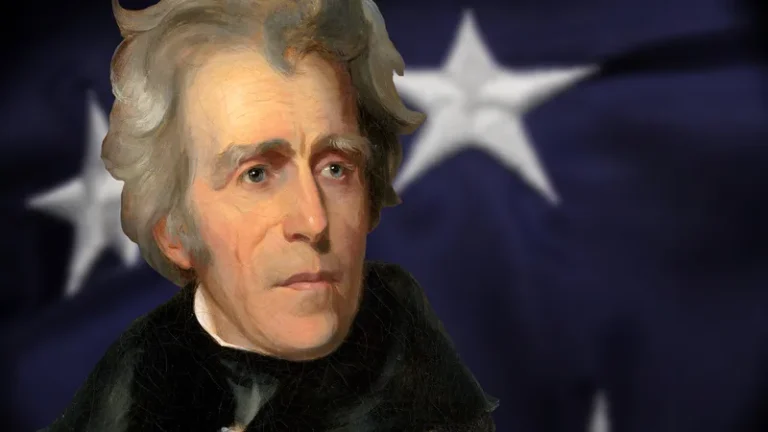
Andrew Jackson is a highly polarizing figure in U.S. history. Supporters credit him with expanding political participation for white male voters and strengthening executive authority.
Critics, however, focus on his policies toward Native American tribes, particularly the Indian Removal Act of 1830. The forced relocations that followed resulted in widespread suffering and loss of life. Jackson’s disregard for Supreme Court rulings and his aggressive use of executive power have led many historians to reassess his presidency critically.
 Up Next: Page 3 of 4
George W. Bush (2001–2009)
George W. Bush’s presidency was shaped by the September 11, 2001 terrorist attacks and the subsequent War on Terror. His administration launched...
Continue Reading