 Lifestyle
The Photos Made It Look One Way—Then She Experienced the Community for Herself
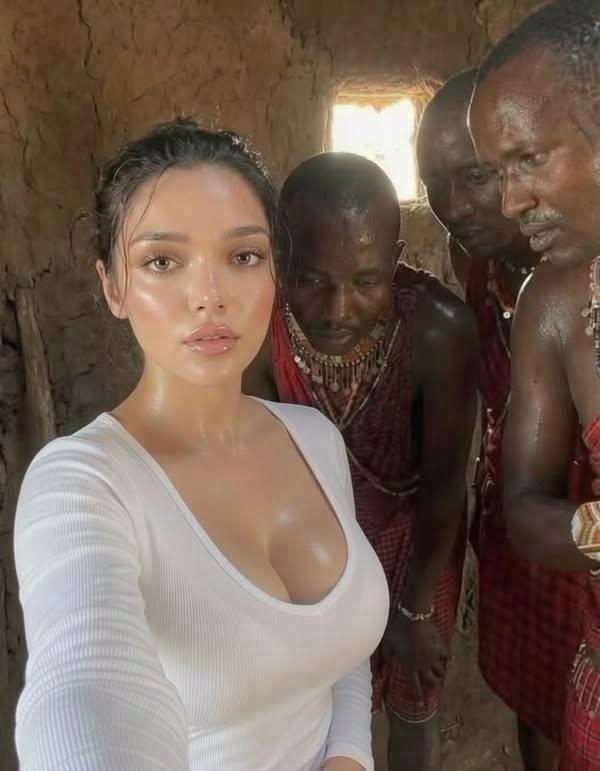
When she decided to visit a rural community in Africa, she knew the experience might challenge some of the assumptions she had formed from photographs, documentaries, and travel stories.
She had seen images of traditional homes, local markets, families gathering together, and people carrying out everyday activities.
But she also understood something important:
A photograph can show a moment. It cannot tell you everything about the people living in it.
So she arrived determined to observe, listen, and learn rather than assume she already understood what life would be like.
Beyond the Photographs
Before the trip, she had imagined that the biggest difference would be the surroundings.
Instead, what surprised her most was how quickly ordinary human connections became more important than those differences.
People welcomed her into conversations, introduced her to aspects of their daily routines, and shared stories about their families and community.
Some things were unfamiliar to her.
Other things felt surprisingly familiar.
People laughed together, worried about their families, celebrated important moments, worked toward better opportunities, and made plans for the future—experiences that cross cultural and geographic boundaries.
Learning to Listen
One of the biggest lessons from the visit was that she couldn't understand an entire community from a few photographs or outside descriptions.
Every community has its own history, traditions, challenges, values, and individual personalities.
She began asking questions instead of relying on assumptions.
What she heard gave her a more nuanced understanding of the people she met.
She also realized that rural communities should not be viewed simply through the lens of what they may lack compared with urban areas.
Many people have strong relationships with their neighbors, traditions that are important to their identity, and knowledge shaped by generations of experience.
 Up Next: Page 2 of 2
At the same time, rural communities can face real challenges involving infrastructure,...
Both realities can exist at the same time.
Continue Reading