 Lifestyle
The Bride Humiliated My 5-Year-Old Granddaughter at the Wedding—Then My Reception Toast Changed Everything
She Was Told to Stay Out of the Wedding Photos—Her Grandfather Made Sure Everyone Heard Her Story
There is a kind of grief that arrives without warning.
Not the grief of a funeral or a hospital room, when everyone understands that something terrible has happened. This grief comes later.
It arrives in ordinary moments.
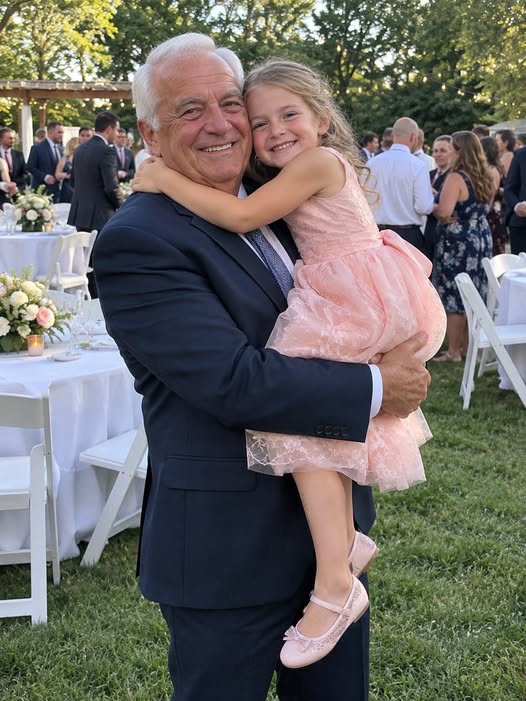
For me, it happened at a wedding, when I saw my five-year-old granddaughter spinning around a church parking lot in a pink dress and shiny shoes.
She was laughing because her shoes made a satisfying sound against the asphalt.
And suddenly, I thought of my daughter, Phoebe.
She should have been there.
She would have straightened that pink dress, taken far too many photographs, and probably cried somewhere privately because her little girl had grown so beautiful.
But Phoebe was gone.
Three years earlier, I had buried my daughter.
And that morning, I was watching her daughter prepare to celebrate her father's wedding.
Her name was Margot.
And before that day was over, someone would make her question whether she still belonged in her own family.
Margot Was Five Years Old and Completely Happy
Margot had been excited about the wedding for weeks.
That morning, she had held up a pair of patent-leather shoes with a little buckle and announced that they were the best shoes she had ever owned.
“They make a good sound,” she told me.
“They do,” I said.
She smiled.
“I’m going to be in Daddy’s pictures today.”
“You are.”
“Daddy said so.”
That was enough for her.
She was five years old, and the whole world seemed to be shining.
Margot was Phoebe's daughter.
She had her mother's eyes, exactly. She had her father Emmett's sturdy build and a laugh that made people instinctively want to protect her.
She had also lost her mother when she was only two.
She didn't have many clear memories of Phoebe. Instead, she knew her mother through photographs, stories, familiar expressions, and the countless small details we had preserved for her.
I made sure Phoebe remained a person in Margot's life rather than becoming only a sad story.
We talked about her.
We looked at pictures.
I told Margot what her mother loved, what made her laugh, and what she used to say.
I wanted her to grow up knowing that her mother had existed, loved her deeply, and remained part of the family story.
Emmett Had Learned to Live With Loss
Emmett was twenty-eight when Phoebe died.
He suddenly became a widower and a single father. I became a father who had lost his daughter.
 Up Next: Page 2 of 5
We could have allowed that shared grief to pull us apart.
Instead, it brought us closer.
Continue Reading