 Curious & Viral
Seconds From Collapse: The Tanker Video That Has Everyone Talking
It started like countless other short videos on social media: a few seconds of striking footage, almost no explanation, and a scene that immediately demanded attention.
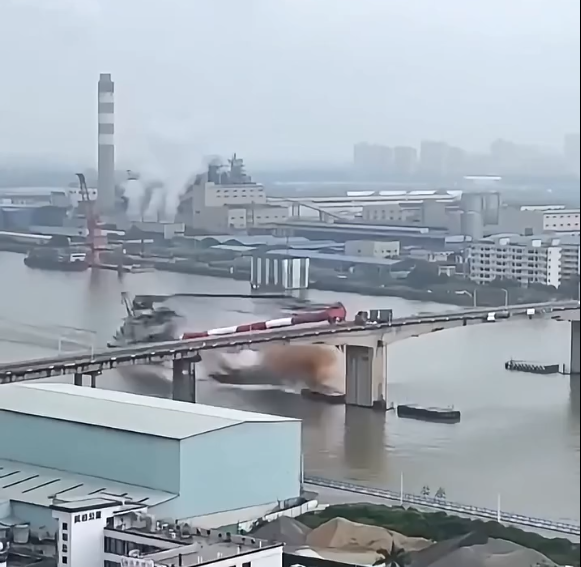
A fuel tanker appeared beneath a visibly damaged bridge. Concrete looked fractured, sections appeared to sag, and the entire structure seemed dangerously unstable.
Within hours, viewers were asking the same question:
Was this a genuine emergency, or was the scene created for dramatic effect?
The lack of context made the clip even more compelling. People could see the apparent danger, but they could not see what happened before or after the recording.
A Few Seconds Created a Huge Mystery
The video's appeal came largely from what it left unexplained.
The tanker appeared stationary beneath a deteriorating bridge structure while damaged concrete and exposed sections created the impression that a collapse could happen at any moment.
But the footage alone cannot establish what was actually happening.
There is no reliable indication from the clip itself about whether the bridge was genuinely failing, undergoing controlled work, being prepared for demolition, or appearing more dangerous because of camera angles and editing.
That distinction matters.
A dramatic image can raise legitimate questions, but it cannot by itself establish the facts surrounding an incident.
Why Viewers Couldn't Look Away
The scene combines several elements that naturally attract attention: danger, uncertainty, and an ordinary object caught in an extraordinary situation.
A fuel tanker is familiar to most people. So are bridges and overpasses. Seeing the two together in an apparently unstable environment immediately creates a question that almost anyone can understand:
What would happen if the structure gave way?
That imagined outcome is part of what made the clip so effective.
People weren't simply watching a vehicle beneath a bridge. They were mentally completing a story that the short video never actually provided.
 Up Next: Page 2 of 3
The Power—and Risk—of Viral Content
Short-form platforms are designed around rapid engagement. A mysterious clip can be watched, shared, reposted, discussed, and turned into reaction content long...
Continue Reading