 Curious & Viral
That Old Coin Jar Might Be Worth a Second Look—But Here’s What Really Matters
There is probably a jar, bowl, drawer, or small container somewhere in your home filled with coins you haven't thought about in years.
You may have tossed spare change into it after shopping.
Maybe a few relatives added coins over time.
Perhaps some of the pieces have been sitting there so long that you no longer remember where they came from.
Most of those coins are probably worth exactly what their face value says.
But every now and then, an unusual coin can be worth more to collectors than its denomination suggests.
The trick is knowing what to look for—and avoiding the common mistake of assuming that every old-looking coin is valuable.
Why Some Ordinary Coins Become Collectible
Coins are produced in large quantities, but not every example is identical.
Collectors may pay attention to factors such as the coin's date, mintmark, condition, rarity, historical significance, and whether it contains a recognized minting error or variety.
Professional grading services also emphasize that condition can have a major effect on market value. A coin with the same date and design can have very different values depending on its preservation.
That means the date alone usually isn't enough.
Two coins that look nearly identical to an inexperienced collector may have very different values.
Wartime Coins Provide a Fascinating Example
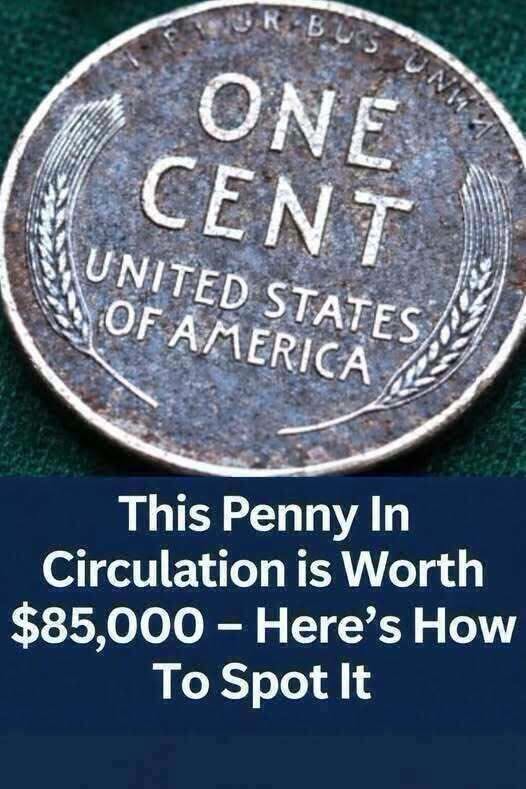
One of the best-known examples involves the U.S. penny during World War II.
In 1943, the U.S. Mint changed the composition of the cent because copper was needed for the war effort.
Instead of the usual copper-based composition, the Mint produced zinc-coated steel cents.
 Up Next: Page 2 of 4
The change makes 1943 cents particularly interesting to collectors.
But there's another reason that year receives so much attention.
Continue Reading