 Health
Your Body Chooses a Sleeping Position for a Reason—But What Is It?
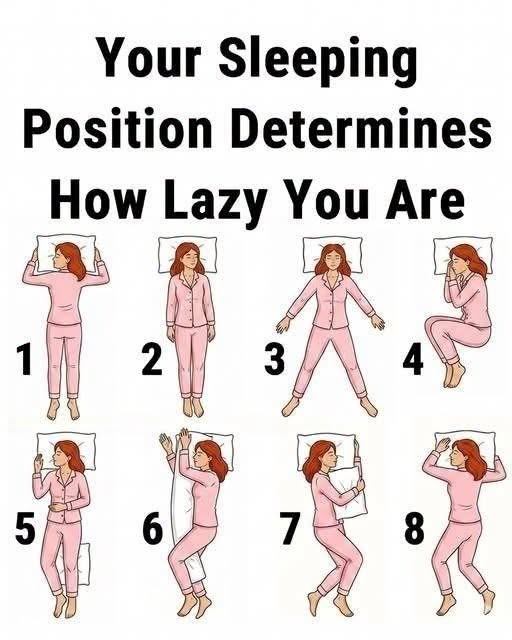
Have you ever noticed that you seem to fall asleep in almost exactly the same position every night?
Maybe you curl up on your side, stretch out on your back, or prefer sleeping face-down.
It can feel as though your body has made a permanent choice.
But does your favorite sleeping position reveal something about your personality?
Probably not in the way viral personality quizzes suggest. There is no reliable evidence that sleeping posture can determine whether someone is confident, shy, emotional, or adventurous.
What your sleeping position can tell us is more practical: your body may be responding to comfort, habit, physical support, breathing, pain, or other factors.
Why Do We Have a Favorite Sleeping Position?
People don't usually spend much time consciously deciding how they will sleep.
Instead, the body gradually settles into a position that feels comfortable.
Your preferred posture can be influenced by your mattress and pillow, physical discomfort, health conditions, and simple habit. Sleep position can also change during the night, so the position you remember falling asleep in may not be the one you have when you wake up.
That makes sleeping position more complicated than a simple personality label.
Side Sleeping Is Extremely Common
If you sleep on your side, you're certainly not unusual.
Side sleeping is one of the most common positions and can help some people maintain comfortable spinal alignment. It may also be useful for people whose snoring or obstructive sleep apnea becomes worse when they sleep on their backs.
For people with lower back discomfort, sleeping on the side with the knees slightly bent and a pillow between the knees may help reduce strain.
But comfort still matters. A position that works well for one person may create pressure on another person's shoulders or hips.
What About Sleeping on Your Back?
Sleeping on your back can make it easier to keep the head, neck, and spine in a relatively neutral position when the mattress and pillow provide appropriate support.
 Up Next: Page 2 of 3
For some people, this can be comfortable and may reduce pressure on...
There is a catch, though.
Continue Reading