
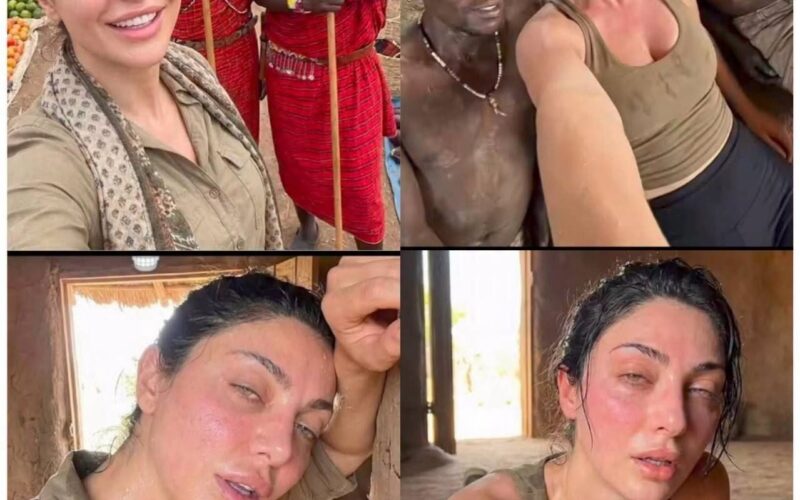

But photographs are heavily influenced by context.
A picture taken at the beginning of a trip might show someone arriving with one set of expectations. A later photograph could capture a completely different environment, mood, or experience.
That doesn’t necessarily mean the person’s appearance has dramatically changed. It may simply mean the circumstances surrounding the two photographs are different.
Travel Can Challenge First Impressions
One of the most interesting parts of visiting a new place is discovering that reality is usually more complicated than a photograph—or a collection of photographs—can suggest.
Africa is not a single culture or experience. The continent contains an enormous range of communities, languages, traditions, landscapes, and histories. UNESCO describes the region as having highly diverse cultural traditions and creative practices.
That diversity is easy to overlook when travel stories are reduced to a handful of striking images.
A visitor may arrive with assumptions based on photographs, documentaries, social media, or stories from other travelers. Spending time in a community can provide a much broader perspective.
The Details Behind the Camera Matter
Photography itself can change how a moment is perceived.
Lighting can alter skin tones and colors. Camera distance can change proportions. A carefully chosen background can make a location look completely different from how it appears in everyday life.
Even a person’s posture and expression can affect the mood of an image.
That’s why comparing two photographs without knowing when, where, and how they were taken can sometimes create a misleading impression.
The most dramatic difference may not be the person at all—it may be the circumstances surrounding the photograph.
Meeting People Can Become Part of the Journey
Travel photography is also about human interaction.
When photographing people in unfamiliar communities, respectful communication matters. National Geographic’s photography guidance recommends learning about local customs and, when appropriate, asking people for permission before photographing them.
That approach can turn a quick photograph into a genuine encounter.
Instead of simply photographing someone as part of the scenery, taking the time to talk, listen, and understand the setting can make the experience more meaningful for both the traveler and the viewer.
A Photograph Doesn’t Show Everything
This may be the biggest lesson hidden inside the viral appeal of before-and-after travel photos.
A single image can capture a beautiful moment, but it cannot fully explain a community.
It doesn’t show everything happening outside the frame. It may not reveal the conversations that took place, the history of the location, or the ordinary routines of the people who live there.
UNESCO has also emphasized the importance of involving local communities in tourism and making space for their own stories and perspectives rather than allowing visitors’ impressions to become the entire narrative.
What Makes the Photos Interesting?
Perhaps the most fascinating part isn’t simply how different the pictures look.
It’s the question of what happened between them.
Did the traveler discover something she hadn’t expected?
Did meeting new people change how she viewed the destination?
Did the experience simply give her a different way of seeing everyday life?
Those questions are impossible to answer from photographs alone.
And that’s exactly why travel images can be so compelling: they can make us curious about the story that exists outside the frame.
The Bigger Picture
Before-and-after photos are entertaining because our eyes naturally search for differences.
But the most meaningful travel stories often go beyond appearance.
They are about places, people, conversations, expectations, and the moments that change how a traveler understands the world around them.
A photograph can preserve a moment.
The experience behind it can last much longer.